DaysofPal- As the Gaza Strip continues to buckle under the weight of war, health system collapse, and severe environmental degradation, doctors have sounded the alarm over the emergence of a new bacterial disease in displacement camps known as leptospirosis.
The disease has been detected following the registration of serious infections among displaced Palestinians amid flooding, contaminated water, and the widespread presence of rodents. These conditions threaten to trigger a new wave of epidemics endangering thousands of families.
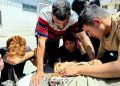
Medical Relief Director in Gaza, Bassam Zaqout, warned of serious concerns regarding the spread of the disease, confirming that five cases have been officially recorded in southern Gaza, four of whom remain in intensive care units, an indication of the severity of their condition.
In a press statement, Zaqout explained that suspicions of the disease emerged after flooding in November, when rainwater mixed with sewage due to damaged infrastructure, alongside a surge in rodent populations. These factors, he said, created an ideal environment for the transmission of waterborne diseases.
Leptospirosis is most likely spread by bacteria from the urine of infected rats, which contaminates standing water, according to Zaqout. Humans become infected when the bacteria enter the body through open wounds, skin cracks, or mucous membranes of the eyes and mouth. Children, women, and the elderly are the most vulnerable groups.
He added that symptoms typically appear suddenly and include high fever, severe muscle and bone pain, and eye inflammation and redness. In advanced stages, more dangerous symptoms may develop, such as yellowing of the skin and eyes, which initially led medical teams to suspect viral hepatitis.
Zaqout noted that some patients had previous hepatitis infections, prompting doctors to expand diagnostic testing, which later suggested leptospirosis as the underlying cause. He stressed that the disease is not contagious and does not spread from person to person but warned that Gaza’s current environmental conditions significantly increase the likelihood of further cases.
War and Health System Collapse
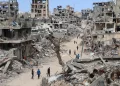
Dr. Munir Al-Barsh, the Director General of Gaza’s Ministry of Health, issued a warning about the deteriorating health conditions brought on by the ongoing conflict and blockade.
“We are facing a real health threat,” Al-Barsh said. “The spread of diseases linked to contaminated water reflects the collapse of health and environmental infrastructure.
The absence of laboratory testing equipment and the shortage of medicines and necessary antibiotics could turn a limited number of cases into a widespread outbreak that will be extremely difficult to control.”
He added that hospitals in Gaza are operating far beyond their capacity, particularly emergency departments and intensive care units. Delays in diagnosis and treatment, he warned, could lead to severe complications such as kidney failure, hepatitis, internal bleeding, meningitis, and, in some severe cases, death.
Impact of Threats to Ban International Organizations
Medical authorities also expressed deep concern over recent threats to halt the work of 37 international organizations supporting Gaza’s health sector. They warned that such a move would undermine already limited efforts to contain disease outbreaks and could push the territory toward an uncontrollable humanitarian and health catastrophe amid resource shortages and continued siege.
The Ministry of Health issued an urgent appeal to residents to adhere to personal hygiene measures, avoid contact with stagnant water, prevent children from playing in flooded areas, and ensure wounds are properly covered and disinfected.
At the same time, it called on the international community to exert pressure to allow the entry of medical equipment, laboratory testing tools, and materials needed to rehabilitate destroyed health facilities.
Leptospirosis is a zoonotic disease, transmitted between animals and humans, and typically spreads in areas affected by displacement, natural disasters, and war. Its appearance in Gaza serves as a dangerous indicator that the consequences of war are no longer limited to humanitarian suffering but are evolving into a serious public health crisis, threatening the lives of civilians, particularly children, the elderly, and those with chronic illnesses.
Shortlink for this post: https://daysofpalestine.ps/?p=70945