DaysofPal- Gaza’s healthcare system has shown no meaningful recovery despite a ceasefire that took effect on October 10, according to Khalil Al-Daqran, spokesperson for Al-Aqsa Martyrs Hospital.
Al-Daqran said the truce has failed to alleviate the catastrophic and extremely dangerous conditions in the health sector after more than two years of Israeli genocidal war.
He said the system is operating at only a minimal level, with most hospitals and medical facilities still out of service.
Rather than improving, conditions have deteriorated since the Egypt-, Qatar- and Turkey-brokered ceasefire, overseen by the United States, as shortages of medicines and medical supplies have reached unprecedented levels.
Al-Daqran attributed the crisis to continued delays and restrictions imposed by Israeli occupation on the entry of medical aid.
He said 52 percent of essential medicines are currently unavailable, alongside 71 percent of medical supplies and 59 percent of laboratory tests, in addition to severe shortages in blood banks.
He also cited critical deficits in oxygen stations, laboratory equipment and medical devices, particularly diagnostic and radiology tools.
Gaza, he said, has no functioning MRI machines, while more than half of its CT scanners have been destroyed during ground incursions and airstrikes on hospitals and health centers.
Dialysis machines and other vital equipment have also been damaged or rendered inoperable.
While the Israeli occupation maintains that medical supplies are allowed into Gaza, Al-Daqran said the items permitted are largely nonessential and fall far short of meeting the territory’s urgent needs.
He stressed the need to rebuild hospitals that were completely destroyed, rehabilitate those partially damaged, and restore facilities that remain closed, warning that the strain on surviving medical staff is becoming unsustainable.
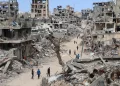
According to government data, Gaza had 38 public and private hospitals before the war, all of which were directly targeted.
The Ministry of Health has been able to partially rehabilitate 16 hospitals, while 22 remain entirely out of service.
Al-Daqran also highlighted the plight of more than 20,000 patients and wounded individuals in need of treatment abroad who have been unable to leave Gaza.
He said more than 1,000 patients have died over the past two years due to travel restrictions, noting that only 1 to 5 percent of patients approved by the World Health Organization are ultimately allowed to exit for medical care.
He warned that the ongoing Israeli ban on the entry of mobile housing units for displaced families poses a major public health risk.
Tens of thousands of people, he said, are living in flooded tents amid rain and sewage, creating conditions ripe for the spread of disease.
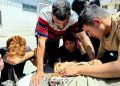
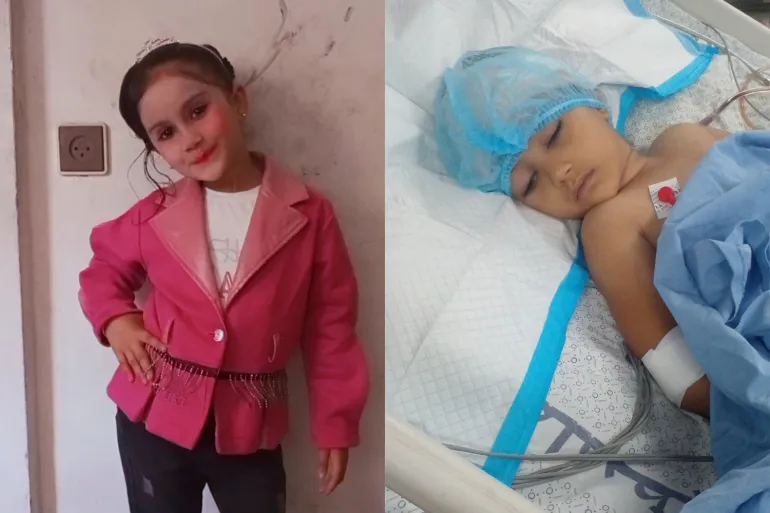
Recent winter storms have triggered a surge in illnesses among children, the elderly and other vulnerable groups, overwhelming government hospitals, particularly pediatric departments.
Al-Daqran said the unhealthy living conditions have accelerated the spread of gastrointestinal and respiratory diseases.
Since the start of the war, more than 1,700 healthcare workers have been killed and over 360 detained, according to Al-Daqran.
Medical services are being provided in partially functioning hospitals and field facilities reliant on aging generators that face constant risks of shutdown due to fuel shortages, lack of spare parts and deteriorating infrastructure.
Although the intensity of airstrikes and starvation policies has declined, Al-Daqran said ongoing restrictions on border crossings, humanitarian aid, medical equipment, medicines and shelter supplies indicate that the war on Gaza has not effectively ended.
He called on ceasefire mediators, as well as international and UN organizations, to exert pressure on the Israeli occupation to allow the full and unrestricted entry of medical and humanitarian assistance.
International and medical organizations have repeatedly warned of the impending collapse of Gaza’s health sector.
The World Health Organization has estimated that rebuilding the system will cost more than $7 billion, covering humanitarian response, early recovery and long-term reconstruction, describing the investment as essential to achieving peace and stability.
Shortlink for this post: https://daysofpalestine.ps/?p=70899