DayofPal—In a moment that reverberated across Palestine and far beyond it, the Izz Al-Din al-Qassam Brigades officially announced on Monday the death of their long-time military spokesperson, the masked figure known to the world as Abu Ubaida.
Abu Ubaida’s voice became inseparable from the narrative of Operation Al-Aqsa Flood, pumping inspiration and steadfastness into the hearts of millions of Arab and Muslim people around the world.
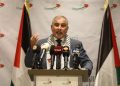
For nearly two years, Abu Ubaida stood at the center of global attention, delivering daily briefings that shaped the public understanding of the war in Gaza.
His masked appearances, steady tone, and carefully chosen words transformed him into one of the most recognizable symbols of Palestinian resistance.
On December 29, 2025, the iconic man fell silent, but his symbolic voice and place never with the Al-Qassam declared the new spokesperson carrying the same name Abu Ubaida.
His Name & Death
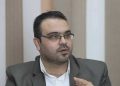
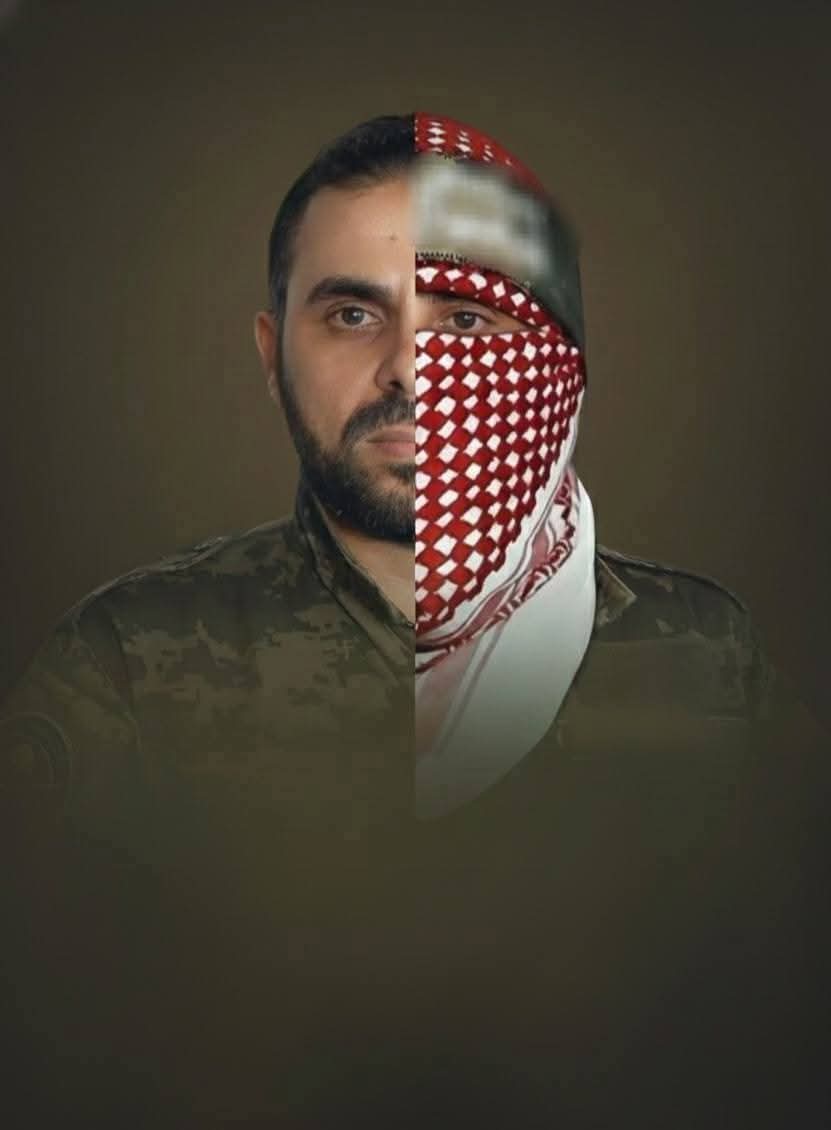
For the first time, Al-Qassam disclosed the true identity behind the masked man. Abu Ubaida was Huthaifa Samir Abdullah Al-Kahlout, known among his family as Abu Ibrahim.
Alongside the announcement, the Brigades released an image of him without his trademark mask, a revelation long withheld due to his presence on Israel’s assassination lists for years.
In its statement, Al-Qassam described him as “the roaring voice of the nation, the man of word and stance, the pulse of Palestine, its people, its resistance, and the leader of Qassam’s media front.”
According to Hamas, Abu Ubaida was killed in a “treacherous Zionist airstrike,” alongside his wife and children. The statement framed his death as the culmination of a life devoted to resistance, describing it as a martyrdom he sought and embraced.
While Hamas did not specify the exact date of the strike, Israel had previously claimed, on August 30, that it assassinated Abu Ubaida in a Gaza City air raid. At the time, Hamas neither confirmed nor denied the claim, allowing uncertainty to linger, until now.
A Two-Decade Career in Resistance
Abu Ubaida’s military and media career spanned more than 20 years. He first emerged into public consciousness on June 25, 2006, when he announced Operation Disappearing Illusion, which resulted in the capture of Israeli soldier Gilad Shalit.
From that moment on, he became the official spokesperson of Al-Qassam, rarely missing a major confrontation.
Israeli estimates suggest his involvement with the Brigades dates back to at least 2002. Despite constant surveillance and repeated attempts on his life, he remained an ever-present figure, never showing his face, but always shaping the message.
His influence reached new heights after October 7, 2023, when Operation Al-Aqsa Flood began. Through calm, precise briefings, Abu Ubaida narrated the battlefield to the world, blending military detail with political messaging, and turning each appearance into a widely anticipated event.
A Timeless Symbol
Abu Ubaida hailed from the village of Na’aliya, occupied in 1948, and lived in Jabalia, in northern Gaza. His home was bombed multiple times over the years, 2008, 2012, 2014, and again during the latest war, mirroring the repeated displacement and destruction faced by Gaza’s residents.
Beyond the battlefield, reports indicate he was a highly educated figure. He is believed to have earned a master’s degree in Islamic studies from the Islamic University of Gaza in 2013, focusing on the concept of the Holy Land in Judaism, Christianity, and Islam, and was preparing for a PhD in the same field.
With his death, Abu Ubaida joins a lineage of figures whose influence outlived their lives. The mask has been lifted, but the image remains, of a man who mastered the power of words in wartime, and whose voice became, for supporters and opponents alike, one of the defining sounds of the Gaza war.
As reactions continue to pour in across the region, one reality stands clear that Abu Ubaida is no longer a question of identity, but a chapter in history, one written in a measured voice, behind a red-keffiyeh mask, amid the thunder of war.
Al-Qassam Elegy
In its elegy for Abu Ubaida, Al-Qassam said:
“We can only pause in reverence and awe before a man of such stature, one who so often appeared before you with a powerful voice, truthful words, and long-awaited glad tidings. The masked figure loved by millions, whose appearances were eagerly anticipated, who became a source of inspiration, and whose red keffiyeh turned into an icon for all the free people of the world.”
The statement described the masked spokesperson as the thunderous voice of the nation, the man of word and principle, the pulse of Palestine, Jerusalem, its people and its resistance, the leader of Qassam’s media front, and a figure who left a profound imprint on the hearts of the nation.
It added that “this knight never turned away from his people in their darkest hours. From the heart of the battlefield he addressed them, bringing hope, patience, comfort, and reassurance, despite grave danger and relentless targeting.
“He was awaited not only by his own people, but even by the Israeli audience, eager to hear from him the final word and the certain truth.”
Al-Qassam concluded by saying that the martyr Huthaifa Samir Abdullah Al-Kahlout, Abu Ibrahim, “dismounted after two decades of vexing the enemy and gladdening the hearts of the faithful, and met Allah in the best of states.”
Shortlink for this post: https://daysofpalestine.ps/?p=70882