DaysofPal- As part of its collective punishment policy against the people of the Gaza Strip, Israeli occupation forces have severed the sole power line supplying electricity to the central desalination plant in Deir al-Balah, located in the central Gaza Strip.
This critical infrastructure provides potable water to over a million residents, including thousands of displaced persons, making its disruption a severe blow to an already fragile humanitarian situation.
Essential Services Disappeared
The desalination plant, which produces more than 16,000 cubic meters of drinking water daily, alternates between serving the cities of Deir al-Balah and Khan Yunis. With this lifeline now cut, these densely populated areas—already overcrowded with internally displaced people—face an unprecedented water crisis.
The decision comes as part of a series of punitive measures announced by Israeli Prime Minister Benjamin Netanyahu following the expiration of the first phase of the ceasefire agreement on February 3.
On Sunday, Netanyahu declared halting all humanitarian aid and commercial goods entering Gaza, further tightening the noose around the besieged territory. Over 2.4 million Palestinians, who endured a genocidal war lasting 15 months, are now bracing for yet another wave of suffering.
Devastating Consequences
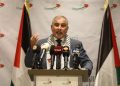
Nizar Ayyash, mayor of Deir al-Balah, described the Israeli action as “shocking,” emphasizing that the plant is the only operational facility of its kind in the Strip.
Its shutdown threatens not only access to clean drinking water but also increases the risk of disease outbreaks among vulnerable populations.
During Israeli genocidal war last year, the plant operated at minimal capacity using solar panels and generators due to fuel shortages. It wasn’t until July 2024 that international and UN organizations facilitated the restoration of the power line, enabling partial resumption of services. Now, with the line severed once again, the region risks sliding back into chaos.
Eight water wells in Deir al-Balah were destroyed during the conflict, alongside the sole water pipeline (“Makarot”) connecting the area to the occupied territories.
Without alternative sources or sufficient fuel to power backup generators, the prospects for maintaining basic water supplies appear grim.
Looming Humanitarian Catastrophe
Mayor Ayyash warned of dire consequences if urgent intervention does not occur. The lack of potable water could lead to widespread dehydration, malnutrition, and the spread of waterborne diseases such as cholera.
Already weakened by months of war and blockade, Gaza’s healthcare system may be unable to cope with additional burdens.
The Union of Gaza Municipalities echoed these concerns, calling on international and UN bodies to pressure Israel to reverse its punitive measures. They stressed the urgent need for resources to restore essential services, including water, sanitation, and waste management, which are crucial for preventing a deeper humanitarian catastrophe.
A Region Immersed in Darkness
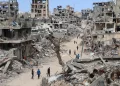
Since the onset of Israel’s war of extermination in October 2023, Gaza has struggled under conditions resembling total collapse. Residents have faced chronic shortages of food, medicine, and other necessities while living in near-total darkness due to targeted attacks on electricity grids and fuel supplies.
Today, municipalities across Gaza find themselves overwhelmed, lacking the tools and funding needed to address mounting crises. Their pleas for international support underscore the urgency of addressing both immediate needs and long-term reconstruction efforts.
Calls for Accountability
As the water crisis deepens, global attention turns to the role of the international community in mitigating the suffering of Gaza’s population. Mayor Ayyash implored international and UN organizations to intervene, urging them to compel Israel to lift its restrictions and prioritize human life over political retribution.
This latest escalation highlights the urgent necessity for accountability mechanisms to hold Israeli leaders accountable for their actions.
Human rights advocates and world leaders must advocate for compliance with international law and demand meaningful steps toward easing the blockade, ensuring safe passage for humanitarian aid, and facilitating the rebuilding of critical infrastructure.
For now, the people of Gaza remain trapped in a cycle of deprivation and despair as a result of the Israeli genocide, their resilience tested daily by policies designed to break their spirit. The fate of millions hangs in the balance, reliant on the goodwill and resolve of those with the power to act.
Shortlink for this post: https://daysofpalestine.ps/?p=61117