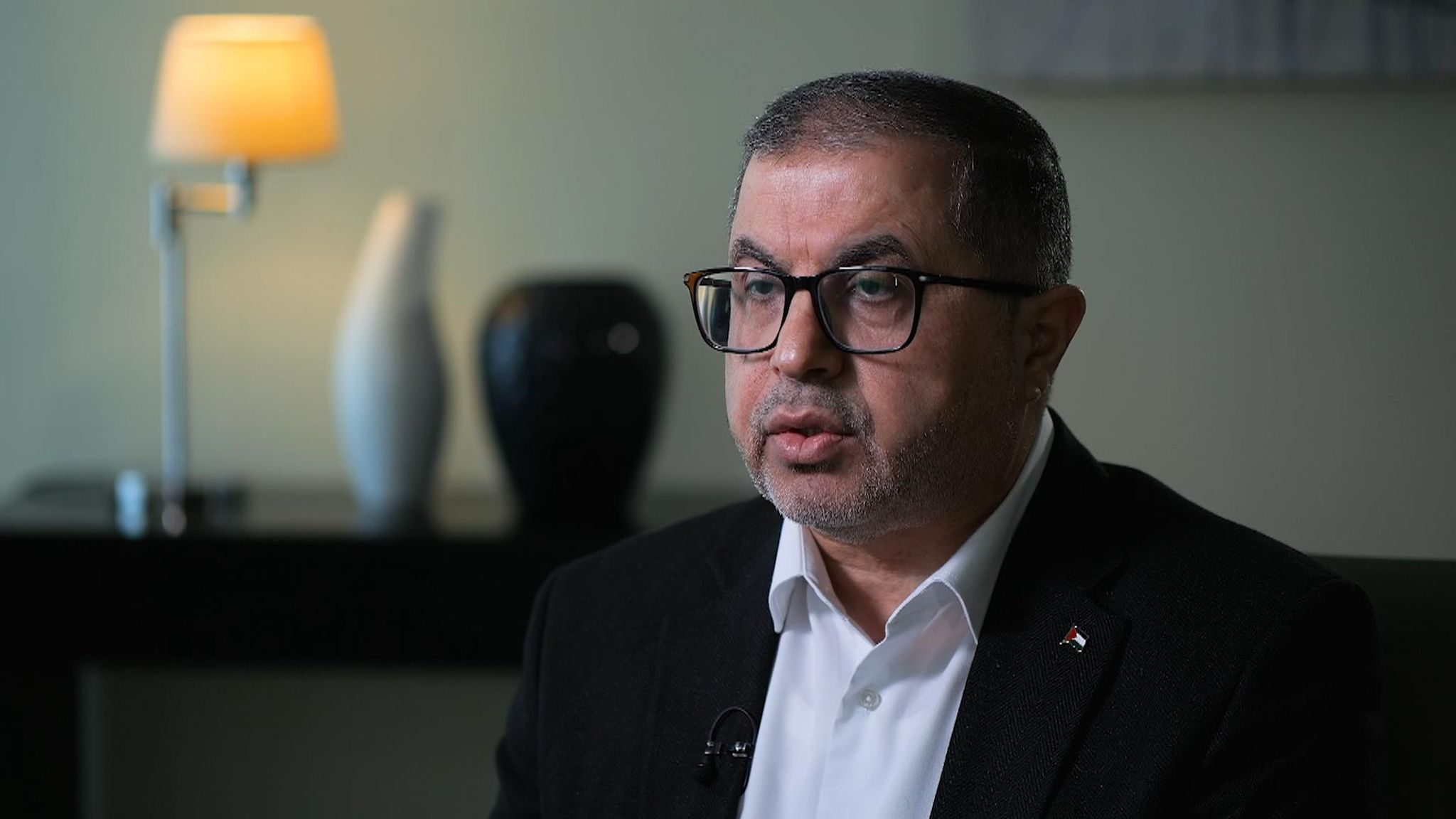
DaysofPal- In a strong condemnation of Israeli actions, Hamas leader Bassem Naim has accused Benjamin Netanyahu and his government of attempting to undermine the existing three-phase ceasefire agreement signed on January 19, 2025.
Speaking to media outlets, Naim emphasized that no new agreement exists, rejecting claims of a temporary ceasefire plan proposed by U.S. envoy Steven Witkoff during the holy month of Ramadan and the Jewish Passover holiday.
Denial of New Agreement
Naim reiterated that the only valid agreement is the original three-phase ceasefire deal brokered under Egyptian, Qatari, and American sponsorship. He described Netanyahu’s moves, supported by the current U.S. administration, as a “clear coup against the ceasefire agreement.” This stance reflects growing frustration within Palestinian resistance factions over what they perceive as Israeli deliberate attempts to bypass or alter the terms of the negotiated truce.
Criticism of US-Backed Proposal
Last night, Netanyahu’s office announced Israeli agreement to a plan proposed by U.S. envoy Steven Witkoff for a temporary ceasefire during Ramadan and Passover (April 12-20). According to the proposal, half of the Israeli prisoners held in Gaza—both alive and dead—would be released on the first day of the truce. If a permanent ceasefire were subsequently agreed upon, the remaining prisoners would follow.
However, Naim dismissed this proposal, stating that it represents an attempt to tamper with the original agreement, which was intended to provide stability and security for all parties involved. He argued that such unilateral actions destabilize the region and threaten to escalate tensions further.
Accountability and International Pressure
The Hamas leader called on the international community to intervene and compel the Israeli occupation to honor the signed agreement. With the first phase of the ceasefire having expired Saturday evening and negotiations for the second phase delayed since February 3, the situation remains precarious. Naim warned that Netanyahu’s refusal to adhere to the agreed framework places the lives of people on both sides at risk.
“The occupation is turning against an agreement that was expected to pave the way forward,” Naim said, urging global powers to hold Israeli occupation accountable for its actions. He stressed that without strict enforcement of the original terms, there is little hope for lasting peace or stability in the region.
Regional Implications
As mediation efforts continue, Egypt and Qatar remain pivotal players in attempting to salvage the fragile ceasefire. However, Israeli insistence on renegotiating terms and imposing additional conditions risks unraveling months of painstaking diplomacy. Critics argue that Netanyahu’s approach aligns with broader U.S.-backed strategies aimed at maintaining control over occupied territories while avoiding meaningful concessions to Palestinian demands.
With Ramadan approaching and humanitarian conditions in Gaza worsening due to restrictions on aid deliveries, the stakes are higher than ever. Failure to resolve the impasse could lead to renewed hostilities, undermining hopes for peace and exacerbating the suffering of millions caught in the crossfire.
In conclusion, Bassem Naim’s warnings highlight the urgent need for international pressure to ensure compliance with the original ceasefire agreement. Only through adherence to its principles can trust be rebuilt and progress made toward a more sustainable resolution of the conflict.
Shortlink for this post: https://daysofpalestine.ps/?p=61022