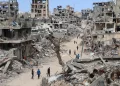
DaysofPal- Since October 7, 2023, the Gaza Strip has been subjected to a devastating war and siege by Israel, marked by a deliberate and systematic starvation policy aimed at inflicting immense suffering on its civilian population.
This policy, which involves the blockade of food, water, medicine, and humanitarian aid, has resulted in catastrophic consequences for the people of Gaza, including widespread malnutrition, preventable deaths, and the destruction of vital infrastructure. The ongoing crisis highlights Israel’s disregard for international law and human rights, while exposing the complicity and silence of the global community.
The Siege and Blockade: A Tool of Oppression
On October 9, 2023, Israeli Minister Yoav Galant ordered his forces to impose a complete siege on the Gaza Strip, cutting off the flow of essential goods such as food, water, fuel, and medicine. Even humanitarian aid from international organizations was blocked, leaving the population without access to basic necessities. This blockade was not merely an act of war but a calculated strategy to exert pressure on civilians, forcing them to submit to Israeli demands.
Residents of Gaza, including tens of thousands of families, were left with no choice but to resort to extreme measures to survive. Elderly residents like Khader Musa, from the Shati camp northwest of Gaza, recounted how they were forced to live on wild herbs such as mallow, sorrel, and lisan due to the lack of food. These plants became a lifeline for many, highlighting the desperation faced by the population under the occupation’s suffocating grip.
Destruction of Food Sources and Infrastructure
In addition to the blockade, Israel deliberately targeted agricultural lands, water wells, and health facilities, exacerbating the already dire situation. Agricultural areas that once provided food for the local population were bulldozed, and farmers were prevented from accessing their fields. The entry of seeds, fertilizers, and agricultural tools was banned, making it nearly impossible for local agriculture to recover.
Citizen Shadi Al-Sakani described the devastation caused by the occupation army, which destroyed vital infrastructure, including water wells and health centers. The loss of these resources made daily survival even more challenging, as residents struggled to access clean water and medical care. The situation was further compounded by the destruction of bakeries and bread queues, denying access to one of the most basic necessities—food.
Limited and Insufficient Aid: A Tactical Move
Despite occasional attempts to bring limited food supplies into Gaza, these efforts were insufficient to meet the needs of the population. Mahmoud Al-Attar criticized Israel’s strategy of introducing small amounts of food and fruits while simultaneously destroying agricultural lands and closing humanitarian corridors. He argued that this tactic was designed to alleviate international pressure while maintaining control over the population.
For many residents, the limited aid was a mere token gesture, failing to address the root causes of the crisis. Families in Gaza City and the northern regions were forced to rely on wild herbs and meager rations to survive, while receiving less than two liters of drinking water per day. This grim reality underscores the extent of the humanitarian catastrophe unfolding in Gaza.
Testimonies of Suffering
The stories of those affected by the starvation policy paint a harrowing picture of life under occupation. Among the victims are children like Yazan Al-Kafarna, who died on March 4, 2024, due to hunger and malnutrition, and Fayez Attaya, a six-month-old infant who passed away on May 30, 2024, in Al-Aqsa Hospital in Deir al-Balah. Other young lives lost include Abdul Qader Al-Sarhi (13 years old) and Ahmed Abu Rida (9 years old), all casualties of Israel’s deliberate starvation policy.
Khader Musa, an elderly resident, shared his experience of searching for wild herbs to feed his family during the difficult days of the siege. His story reflects the resilience and determination of the Palestinian people, even in the face of unimaginable hardship.
Shadi Al-Sakani highlighted the complexity of the crisis, noting that the destruction of water wells and health facilities made it nearly impossible for residents to cope with the challenges posed by the siege. His testimony underscores the multifaceted nature of Israel’s assault on Gaza, targeting not only food but also water, healthcare, and other essential services.
Legal and Humanitarian Implications
Legal expert Ahmed Al-Masry confirmed that Israel’s starvation policy constitutes a flagrant violation of international and humanitarian law. The use of hunger as a weapon of genocide is explicitly prohibited under the Geneva Conventions, yet Israel continues to pursue this strategy with impunity. Al-Masry expressed surprise at the silence of the international community, calling for decisive action to hold Israeli leaders accountable in international courts.
Reports from the United Nations and international human rights organizations have corroborated these findings, confirming that Israel’s war on Gaza extends beyond conventional weapons to include the systematic use of starvation as a tool of oppression. These reports emphasize the need for urgent intervention to protect the Palestinian people and ensure their right to life, dignity, and security.
Impact on Gaza’s Population
The impact of Israel’s starvation policy on Gaza’s population has been devastating. Dozens of civilians, including children, have died due to malnutrition and lack of medical care. The death rate during the 471-day war increased sevenfold, highlighting the severity of the humanitarian catastrophe. Forced displacement, another goal of Israel’s strategy, aims to drive Palestinians off their land through unbearable living conditions.
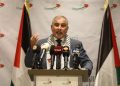
Director General of the Government Media Office, Ismail Al-Thawabta, emphasized that the occupation’s goals include killing, forced displacement, and the comprehensive destruction of vital sectors. These objectives, he noted, directly contradict international law and must be addressed through sustained global pressure and accountability mechanisms.
The Israeli starvation policy in Gaza represents a calculated effort to break the will of the Palestinian people through deprivation and suffering. By targeting food sources, restricting humanitarian aid, and destroying critical infrastructure, Israel has created a man-made humanitarian disaster. As the world watches in silence, the international community must act decisively to end this atrocity, hold those responsible accountable, and ensure justice for the people of Gaza.
The resilience and determination of the Palestinian people must be met with solidarity and support. Their struggle is a local issue and a global concern that demands attention, action, and justice. This is not just a crisis; it is a call to action—a call to stand with the people of Gaza and demand an end to their suffering.
Shortlink for this post: https://daysofpalestine.ps/?p=60487