On World Health Day, Gaza’s Ministry of Health released alarming figures revealing the deepening collapse of the territory’s healthcare system under ongoing Israeli attacks.
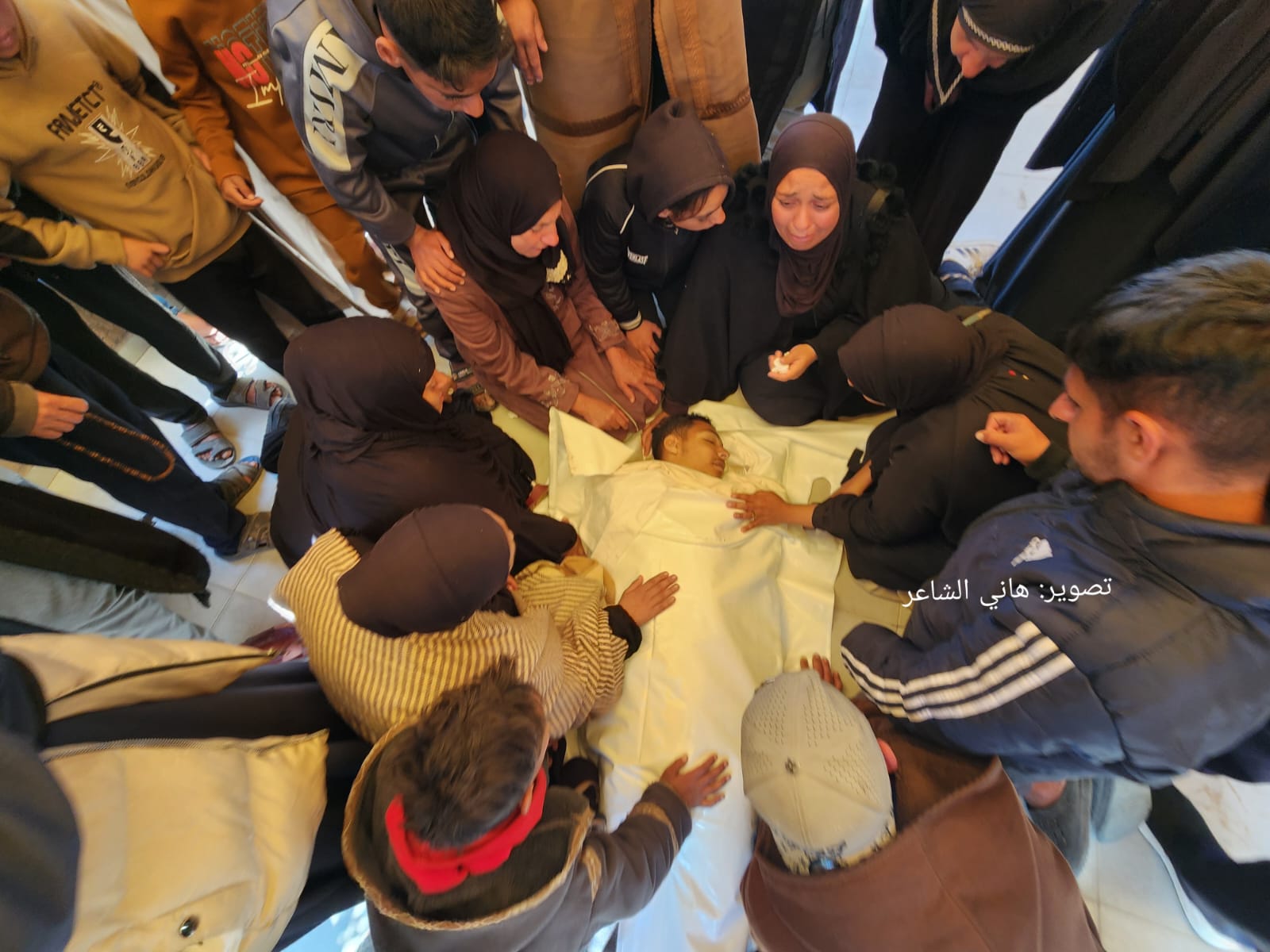
According to the ministry, 72,208 Palestinians have been killed and 172,068 injured since October 2023, including 21,524 children. The scale of casualties comes as hospitals struggle to operate amid repeated strikes and severe shortages of medicine and equipment.
Officials said the health sector has reached a stage of near-total collapse. Essential drug supplies have dropped by 50 percent, while shortages in medical consumables stand at 57 percent. Laboratory materials are down by 71 percent, severely limiting diagnostic capacity and delaying critical treatment.
Specialized care has been particularly affected. Cancer treatment is in crisis, with a 61 percent shortage in necessary medications, despite around 4,100 patients requiring ongoing care. Other departments, including primary care, neurology, nephrology, surgery, and intensive care, are facing shortages exceeding 40 percent, further reducing patients’ chances of survival.
Life-saving procedures have largely come to a halt. Open-heart surgeries and cardiac catheterizations are no longer being performed due to a lack of resources. Eye surgeries have also been disrupted, with an 89 percent shortage in essential supplies.
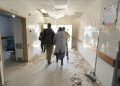
Hospital infrastructure has suffered extensive damage. More than 55 percent of hospital capacity has been lost, while 22 hospitals and 90 health centers are now out of service.
The burden on remaining facilities is overwhelming. Only 108 dialysis machines are available for 676 patients in need. Imaging services and medical equipment continue to face severe shortages, further complicating treatment efforts.
The war has also left thousands with life-altering injuries. Around 5,000 amputations have been recorded, including 980 children, all requiring long-term rehabilitation that is largely unavailable.
Beyond Gaza, 21,367 patients and wounded individuals are waiting for permission to travel abroad for treatment, including 195 critical cases. At least 1,517 patients have died while awaiting approval to leave, reflecting the deadly consequences of restricted access to care.
Health officials warned of worsening conditions in shelters and displacement camps, where diseases linked to poor water and food conditions are spreading amid weak health monitoring. Meanwhile, 83 healthcare workers remain detained, further straining an already exhausted medical workforce.
Fuel shortages and the lack of spare parts for generators pose an additional threat, risking a complete shutdown of the remaining medical facilities at any moment.
The Ministry of Health warned that without urgent international intervention, the continued collapse of the healthcare system will lead to a rise in preventable deaths among the sick and wounded.
Shortlink for this post: https://daysofpalestine.ps/?p=73616