
DaysofPal—According to a new report by the Palestinian Water Authority, the deepening water crisis in the Gaza Strip is placing disproportionate strain on women, as infrastructure breakdowns and severe shortages push the territory’s water system toward near collapse.
Released ahead of World Water Day, the report, titled “Women and Water in Palestine: Between Scarcity and Resilience”, highlights the growing intersection between water insecurity and social inequality, particularly in conflict-affected areas.
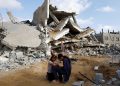
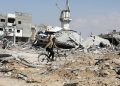
The report warns of a dangerous reality in Gaza, where approximately 85% of water and sanitation infrastructure has been destroyed.
While water supply has seen slight improvements following periods of intense conflict, it remains far below minimum humanitarian standards.
Across the enclave, most households now rely on water trucks, facing acute difficulties in securing safe and sufficient supplies.
The situation is especially challenging for women and girls, who often manage water collection, storage, and household usage.
Limited access, lack of privacy, and inadequate sanitation services have intensified health and safety risks.
Women and girls make up nearly half of the population in Palestine, with over one million in Gaza alone living under critical water supply conditions.
The report notes that traditional social roles place women at the forefront of coping with the crisis, often requiring them to spend long hours fetching water or waiting for deliveries, reducing opportunities for education and employment.
In addition to collecting water, women bear primary responsibility for caregiving, including for children and the elderly.
These compounded duties become increasingly difficult amid deteriorating sanitation, complicating hygiene practices and affecting both physical and mental health.
Menstrual hygiene management, in particular, has become a growing concern in overcrowded and unsafe environments.
The crisis is even more severe in displacement camps and vulnerable communities, where accessing water has become a daily challenge fraught with health and security risks.
Speaking alongside the report’s release, Palestinian Water Authority head Ziad Mimi described the situation as a “multi-layered crisis that goes beyond services to become an issue of rights and justice,” emphasizing that women’s suffering reflects a broader pattern of “water injustice.”
The report also highlights the underrepresentation of women in water governance. Women account for less than 20% of workers in the sector, and participation in technical and leadership roles is just 6%, underscoring the need for greater inclusion in decision-making.
It calls for urgent international intervention to rehabilitate damaged infrastructure, expand sustainable water sources, and invest in desalination and water reuse projects, particularly in Gaza.
It also stresses the importance of integrating gender perspectives into water policies and empowering women both economically and institutionally.
Concluding its findings, the Palestinian Water Authority reaffirmed that the water crisis in Palestine is fundamentally an issue of equity and justice, urging global action to support resilience and recognize women as essential partners in managing resources and confronting ongoing challenges.
Shortlink for this post: https://daysofpalestine.ps/?p=73142