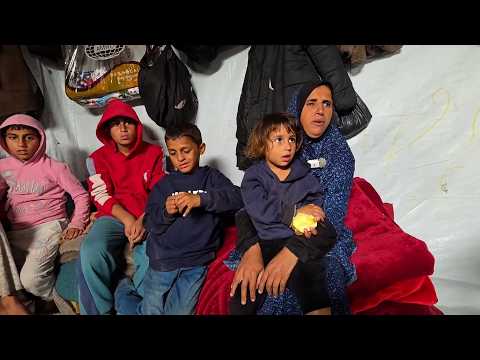
DaysofPal – Hala Awad, 48, now leads her household alone after her husband was killed in an Israeli airstrike in the Gaza Strip. Blind and without a stable income, she carries full responsibility for her seven children under conditions shaped by displacement, shortages, and economic collapse.
The family lives in a makeshift tent west of Khan Younis in southern Gaza. Their home was destroyed, and the loss of Awad’s husband removed their only steady source of support. Daily life revolves around securing food, water, and basic supplies through limited humanitarian aid and occasional assistance from others.
Inside the tent, uncertainty defines each day. Awad must navigate camp conditions without sight, caring for her children while coping with grief and the demands of survival. The absence of income leaves the family dependent on irregular aid distributions that rarely meet growing needs.
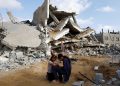
Thousands of families in the Strip are in a similar situation to hers. Many women have become heads of households after losing their spouses. Infrastructure lies in ruins, livelihoods have disappeared, and humanitarian resources remain stretched. For families like Awad’s, survival depends on fragile aid networks and resilience in the face of continuing hardship.
The arrival of Ramadan has deepened the strain. The month traditionally centers on shared meals and family gatherings. For Awad, it brings concern over how to provide enough food and essentials in a territory facing widespread shortages and soaring prices.
Gaza has entered its third consecutive Ramadan under the weight of war, unprecedented economic deterioration, and near-total reliance on humanitarian assistance.
Shortlink for this post: https://daysofpalestine.ps/?p=72341