DaysofPal- Beyond the immediate threats of hunger and bombardment, a silent biological crisis is taking hold in the overcrowded displacement camps west of Gaza City. Beneath the canopy of tightly packed tents, a breakdown in sanitation has turned humanitarian shelters into prime breeding grounds for vermin and disease.
Choked by uncollected waste and pools of stagnant water, these camps are no longer just refuges; they are becoming incubators for a public health catastrophe that experts warn is a ticking time bomb.
Relentless Nights of Suffering
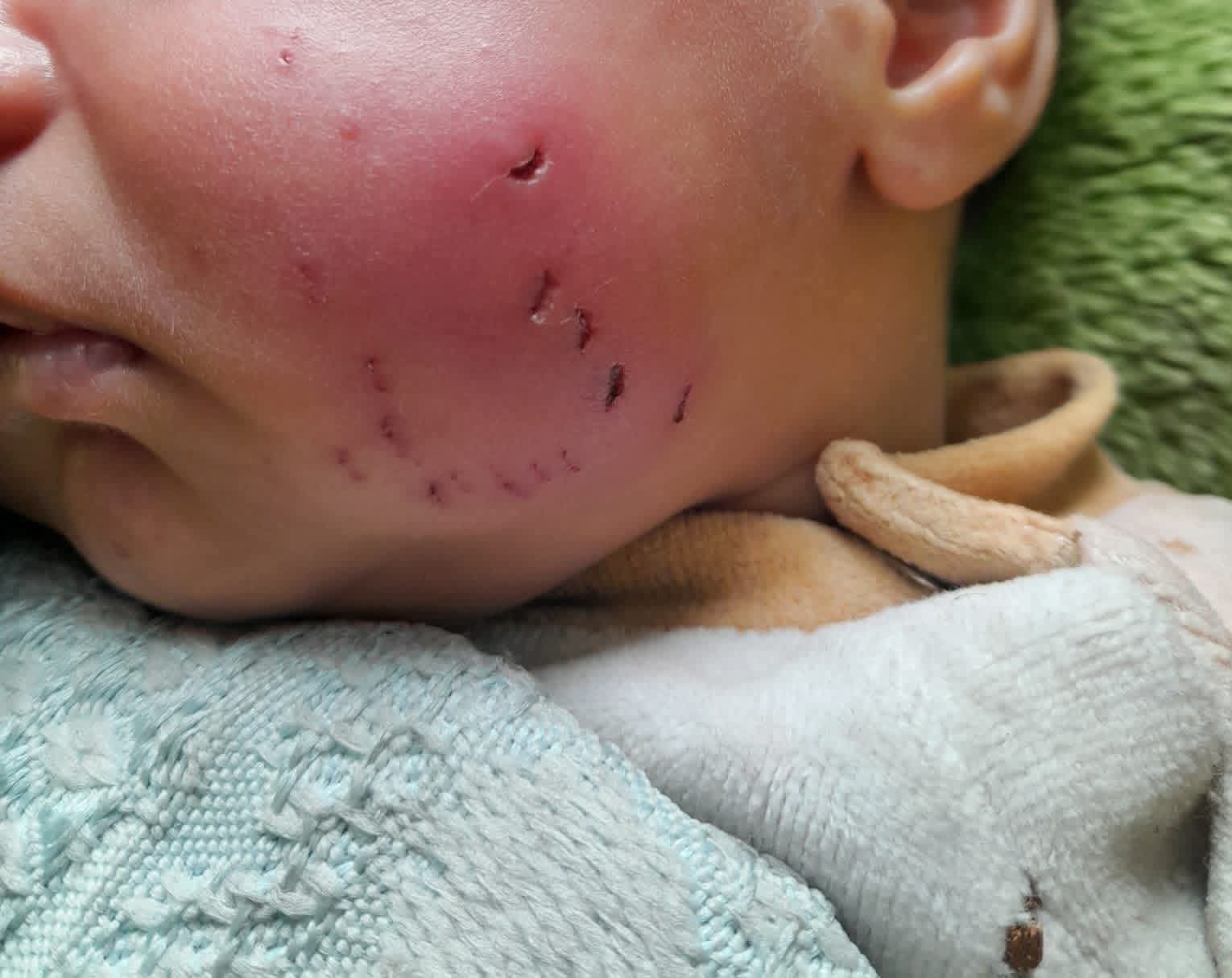
Inside one of the camps west of Gaza City, the Sharaf al-Din family faces a nightly struggle against swarms of mosquitoes that invade their tent without pause.
Adel, the father, describes the situation as “something close to hell,” explaining that nighttime has become a prolonged battle against relentless bites rather than a time for rest. His children suffer from skin infections and constant itching, while their mother says their health continues to deteriorate amid a lack of medicine and limited access to effective treatment.
She adds that some of the children are now unable to sleep due to persistent pain, with no real means of protection available inside the camp. Although the family has tried basic methods such as using smoke to repel insects, they say these measures are temporary at best and often worsen the children’s discomfort.
Rats Invade Shelters
In another camp west of the city, the Mahmoud Amin family faces an equally alarming reality. Rodents have become a constant presence inside their tent, with the sound of rats at night now a familiar occurrence that sparks more anxiety than surprise.
According to the family, rodents frequently reach their food supplies and even sleeping areas. With no effective control measures in place, the risks continue to grow.
Doctors have begun linking a rise in diarrhea and stomach pain among children in the camp to possible food contamination caused by rodent activity. While families attempt to protect their food using improvised methods, such efforts offer limited protection in an environment lacking even basic sanitation and safety standards.
Medical Warnings of a Worsening Crisis
At a small clinic operating under severe constraints west of Gaza City, physician Ezzedine al-Zaqzouq warns of an alarming increase in illnesses tied to the unhealthy living conditions in the camps.
He reports a surge in skin diseases caused by mosquito bites, along with bacterial infections and gastrointestinal illnesses linked to contaminated food and rodent exposure. The already fragile healthcare system, he says, is struggling with severe shortages of medicines and resources, limiting its ability to respond effectively.
Public health programs and pest control efforts have also declined to minimal levels, further exacerbating the situation.
With summer approaching, doctors expect conditions to worsen as mosquito and rodent populations multiply more rapidly, placing even greater strain on already overwhelmed medical facilities.
Amid overcrowded tents and an unlivable environment, human suffering and health risks have become inseparably intertwined. Despite repeated medical warnings, the response remains limited, while conditions grow more complex by the day.
What was meant to be temporary shelter for displaced families now risks turning into an open hotspot for disease, threatening to transform an already dire humanitarian situation into a full-scale public health disaster.
Shortlink for this post: https://daysofpalestine.ps/?p=74364