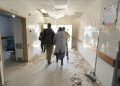

DaysofPal- Médecins Sans Frontières (Doctors Without Borders) has warned that attacks on healthcare facilities and medical personnel continue unabated, despite the passage of a decade since the adoption of United Nations Security Council Resolution 2286, which calls for the protection of medical staff and health infrastructure in conflict zones.
The warning, issued Sunday, coincided with the tenth anniversary of the resolution’s adoption on May 3, 2016, an agreement endorsed by more than 80 countries. The organization renewed its call for governments to translate these commitments into concrete action.
In a statement titled “Ten Years Without Protection: Medical Teams Deserve More Than Empty Words,” MSF International President Javid Abdelmoneim said that what was once considered exceptional, the targeting of healthcare workers, has now become “commonplace,” pointing to a “blatant disregard” for their protection in conflict settings.
Abdelmoneim urged states that pledged to safeguard healthcare to “stop hiding behind excuses and shifting blame” and instead take meaningful steps to enforce protections, stressing that international humanitarian law must be upheld through action, not rhetoric.
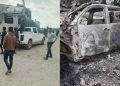
The organization noted that the past decade has seen a steady rise in attacks on hospitals, ambulances, and healthcare workers, often carried out with little accountability. In many cases, accused parties deny responsibility, claim errors, or question the protected status of those targeted.
MSF emphasized that the consequences of such attacks extend far beyond immediate casualties. The destruction of health infrastructure and the suspension of humanitarian operations due to insecurity have deprived entire communities of life-saving care.
Gaza: A Destroyed Healthcare System
The situation in the Gaza Strip stands out as a stark example. Health data from April 2026 indicates that approximately 90 percent of the territory’s healthcare infrastructure has been damaged or destroyed. Most hospitals are either out of service or operating at extremely limited capacity, amid severe shortages of medicines and medical supplies and the near-collapse of specialized services.
Medical personnel in Gaza are also facing unprecedented strain, with continued direct risks and restricted access to facilities compounding the crisis. These conditions have contributed to worsening health outcomes and rising mortality rates due to lack of treatment.
MSF further reported that its teams operate in more than 70 countries, including the Palestinian territories, Lebanon, Sudan, Ukraine, and Myanmar. Since 2016, 21 of its staff members have been killed in 15 separate incidents while carrying out their duties.
According to the World Health Organization’s Surveillance of Attacks on Healthcare Systems, 1,348 attacks on medical facilities were recorded in 2025 alone, resulting in 1,981 deaths.
The organization called on the international community to uphold its legal and humanitarian responsibilities by ensuring the protection of medical workers and patients in conflict zones and by addressing the persistent impunity that continues to fuel attacks on healthcare systems worldwide.
Shortlink for this post: https://daysofpalestine.ps/?p=74361