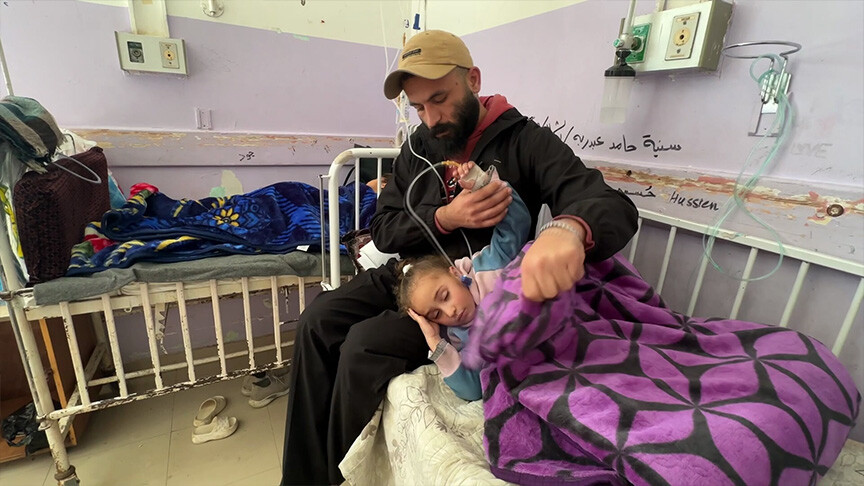
DaysofPal- Thousands of patients in the Gaza Strip are facing a grave threat to their lives after being denied permission to travel abroad for life-saving medical treatment due to the ongoing Israeli blockade, according to Palestinian health officials and human rights organizations.
The crisis comes alongside the near-total collapse of Gaza’s healthcare system, leaving the few remaining hospitals unable to provide even basic specialized medical services.
The situation has raised growing concerns among rights advocates, who argue that the deprivation of medical care cannot be separated from the broader destruction of the conditions necessary for survival in Gaza.
Part of a Broader Genocide
In a statement, the Palestinian Centre for Human Rights said that denying thousands of patients access to life-saving treatment must be viewed within the wider context of the systematic destruction of essential infrastructure and services across the Gaza Strip. The organization argued that when patients are deprived of specialized care, hospitals are destroyed, medical supplies are blocked, and the sick are left to face preventable deaths despite the foreseeable consequences, such practices amount to imposing living conditions that threaten the physical survival of the population.
According to the center, these actions fall within conduct prohibited under the Convention on the Prevention and Punishment of the Crime of Genocide, which defines the deliberate infliction of living conditions calculated to bring about the physical destruction of a group, in whole or in part, as one of the core elements of genocide.
Zaher Al-Wahidi, Director of the Information Department at Gaza’s Ministry of Health, said that 20,863 patients suffering from serious illnesses urgently require treatment abroad, including 5,342 children under the age of 18.
Among them, 2,194 patients are in extremely critical condition and require immediate medical evacuation, while 189 are currently fighting for their lives in particularly severe health conditions.
Al-Wahidi noted that since the reopening of the Rafah crossing on February 1, only a small fraction of patients awaiting evacuation have been allowed to leave Gaza. According to ministry figures, 1,242 patients have been permitted to travel through Rafah, while 241 others have exited through the Kerem Shalom crossing. Together, they represent only 7.1 percent of the total number of patients awaiting medical evacuation.
Total Paralysis of Specialized Medical Services
Human rights groups say that more than two and a half years of attacks on Gaza’s healthcare infrastructure, combined with restrictions on the entry of medical equipment, medicines, and fuel, have severely crippled treatment services. Oncology care, cardiac surgery, intensive care, dialysis services, physical rehabilitation, and emergency medicine have all been heavily affected.
Doctors working in various medical departments report that patients suffering from cancer, cardiovascular diseases, kidney failure, congenital disorders, blood diseases, and severe war-related injuries are increasingly losing their chances of survival due to the lack of treatment options inside Gaza and their inability to travel abroad for care.
According to the Palestinian Centre for Human Rights, 1,628 patients have died while waiting for medical evacuation.
Since the beginning of Israel’s military offensive on Gaza in October 2023, Israeli authorities have suspended the medical permit system that previously allowed Gaza patients to access hospitals in the occupied West Bank and East Jerusalem. Before the war, those facilities received between 10,000 and 14,000 patients from Gaza annually.
Unprecedented Deterioration
Dr. Mohammed Abu Salmiya, Director of Al-Shifa Medical Complex, warned of an unprecedented deterioration in Gaza’s healthcare system, saying hospitals are struggling with severe shortages of medical supplies and energy resources that threaten the lives of thousands of patients and risk triggering a major humanitarian disaster.
He explained that hospitals require large amounts of electricity to maintain essential services, but existing generators are unable to operate continuously because of a critical shortage of spare parts and restrictions on their entry into Gaza.
Abu Salmiya also reported a dangerous depletion of medicines and medical supplies across healthcare facilities in the territory. According to his estimates, 50 percent of essential medicines and 70 percent of medical consumables have run out, at a time when the number of patients requiring treatment has reached unprecedented levels.
Shortlink for this post: https://daysofpalestine.ps/?p=75204