DaysofPal- The occupied West Bank is witnessing a significant acceleration in Israeli settlement expansion, marked by the Israeli development of infrastructure projects and the construction of bypass roads alongside a surge in settlement building.
Analysts say this reflects an organized effort to reshape the geography of the territory and impose long-term realities on the ground.
These policies are contributing to the increasing isolation of Palestinian communities, fragmenting their territorial continuity and limiting opportunities for urban growth, while undermining connections between cities and towns.
Settlement affairs researcher Aref Daraghmeh said settlers have taken advantage of recent conditions to expand land seizure policies across the West Bank by establishing scattered outposts in various areas.
He explained that the settlement project has focused on building new roads, particularly in mountainous regions, the Jordan Valley, and areas east of Nablus. These roads facilitate access to outposts and link them together, enabling the fencing off and eventual control of Palestinian land.
Daraghmeh added that bypass roads are no longer treated as temporary service or security measures but as a central component of annexation plans aimed at imposing Israeli sovereignty over the West Bank.
This is achieved by isolating Palestinian communities while directly connecting settlements to Israeli occupation.
According to Daraghmeh, settlers are increasingly asserting control over land and natural resources, including the establishment of 23 pastoral outposts and the seizure of water springs and agricultural lands.
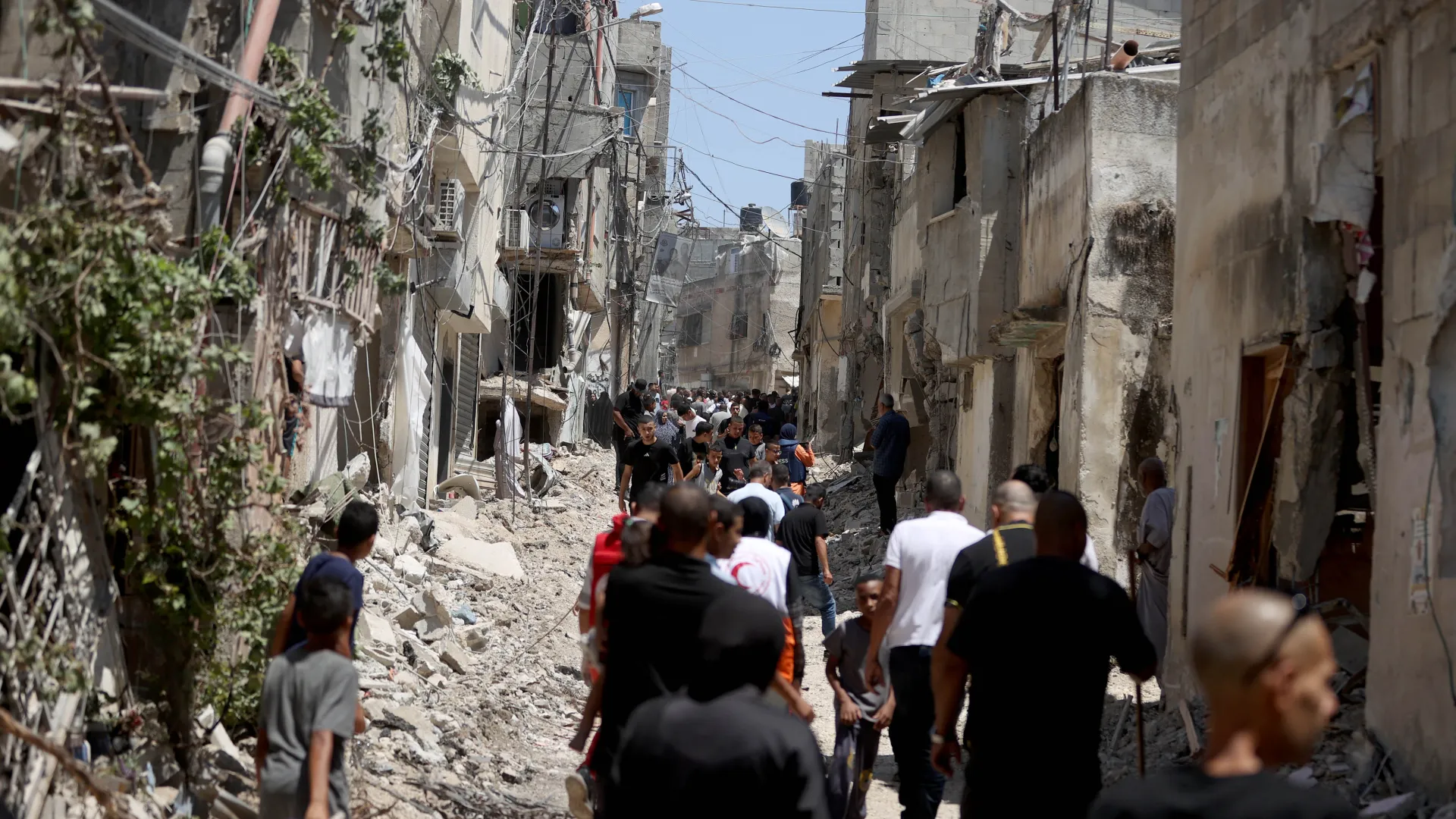
These actions have reportedly led to the displacement of dozens of Palestinian communities, particularly in the Jordan Valley, Masafer Yatta, and eastern parts of the West Bank.
He emphasized that these developments reflect policies backed by Israeli government institutions, with infrastructure expansion paving the way for further settlement growth and creating facts on the ground that are difficult to reverse.
In its weekly report, the National Bureau for Defending Land and Resisting Settlements revealed that the Israeli government has approved an additional 1.075 billion shekels for new road projects serving settlements between 2026 and 2028.
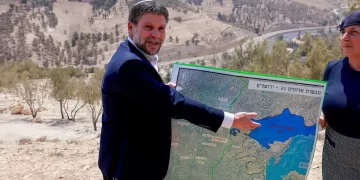
The decision was reportedly made jointly by Finance Minister Bezalel Smotrich and Transport Minister Miri Regev.
This allocation adds to a previously approved seven billion shekels designated for settlement-related road projects, aimed at facilitating expansion and linking settlements to each other and to Israeli occupation while bypassing Palestinian communities.
The report noted a marked increase in bypass road projects in recent years, including those under construction or in planning stages.
These include the Jaba bypass, the Qalandia tunnel, the eastern ring road in Jerusalem, the Al-Funduq bypass east of Qalqilya, and expansion plans for Route 60, which runs through the West Bank from north to south.
Such infrastructure, the report argued, is not solely intended to ease settler movement but serves as a tool to reshape Palestinian geography by isolating villages, restricting urban expansion, and reinforcing long-term Israeli control.
Authorities have constructed more than 952 kilometers of bypass roads in recent years, significantly impacting Palestinian agricultural land and movement between communities.
Alongside infrastructure projects, settlement construction has reached unprecedented levels. The Israeli military’s Higher Planning Council is currently reviewing plans for 643 new housing units in several settlements across the West Bank.
Since the beginning of 2026, approximately 3,732 settlement units have been approved, including 1,338 units in the settlement of Kedumim, where Finance Minister Smotrich resides.
The report also revealed plans to establish two new settlements in the Jordan Valley, named “Bezek” and “Tamun,” as part of a broader initiative to build 18 new settlements in the area, further consolidating Israeli control over the valley.
The report documented a wide range of violations across the West Bank, including home demolitions, land confiscations, uprooting of hundreds of olive trees, and attacks by settlers against Palestinian residents and their property in Jerusalem, Hebron, Ramallah, Nablus, Salfit, Bethlehem, and the Jordan Valley.
These developments, taken together, highlight a comprehensive strategy combining infrastructure expansion, accelerated settlement construction, and increased on-the-ground violations, deepening the fragmentation of the West Bank and entrenching a new geographic and political reality.
Shortlink for this post: https://daysofpalestine.ps/?p=74565