
DayofPal– Women and girls in Gaza, including 50,000 pregnant women, are navigating a relentless storm of hardship as winter tightens its icy grip on an already devastating humanitarian crisis.
Pregnant women in Gaza find themselves at the epicenter of a worsening humanitarian catastrophe. Rising rates of maternal deaths, miscarriages, pre-term births, and low-birth-weight newborns paint a heart-wrenching picture of despair.
A recent report from the United Nations Population Fund (UNFPA) focuses on the grim life in the enclave, where essentials like food, clean water, and shelter are painfully scarce.
Amid deteriorating sanitation, heavy rains, and rising sea tides, harsh winter conditions are amplifying the suffering, causing sewage to overflow and diseases to spread like wildfire.
In addition, reproductive and urinary tract infections are on the rise, as women and girls struggle with poor hygiene and a lack of basic sanitary supplies. The report reveals that 72% of women have little or no access to menstrual hygiene products, leaving their dignity and health at risk.
The crisis doesn’t stop there. Food insecurity has gripped 90% of Gaza’s population, and malnutrition rates have soared to levels 10 times worse than before the current war. An alarming 345,000 people are teetering on the edge of famine, including 38,000 adolescent girls and 8,000 pregnant women.
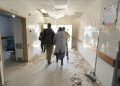
The UNFPA report also reveals that 84% of healthcare facilities have been destroyed. Of Gaza’s 36 hospitals, only 17 remain partially functional, struggling to meet the overwhelming needs of a population under siege.
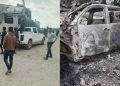
Nowhere is the crisis more dire than in northern Gaza, where a blockade imposed since October 2024 has cut off access to vital resources. Kamal Adwan Hospital, once the region’s last beacon of maternal and newborn care, now stands besieged by Israeli forces.
With incubators unusable, electricity gone, and medical supplies dwindling, the hospital can no longer sustain the fragile lives of newborns.
Mothers are left to navigate pregnancy and childbirth in a shattered system, facing unimaginable loss and uncertainty at every turn.
“I was not ready for childbirth. We are very tired,” Jawaher, a displaced woman who fled north Gaza, told the agency. She was in labour for two days whilst looking for shelter before reaching Al-Sahaba Hospital to give birth.
In the war-torn landscape of Gaza, the cries of new life are being drowned by the thunder of relentless bombing. By December 2023, just three months into the war, safe pregnancies and births had become a distant dream.
The International Rescue Committee warned of a staggering 155,000 pregnant and breastfeeding mothers teetering on the brink of malnutrition—a grim testament to the devastating toll of violence on the most vulnerable.
“I never imagined I would give birth to my first child away from home and surrounded by air strikes,” Israa, a young mother, told MEE
“The place where I gave birth was without any forms of sanitation and hygiene. Yet, I couldn’t blame the hospital as the pressures inflicted on doctors and nurses were beyond their abilities.”
“We have no mattress, no food, no clothes – nothing. We fled the air strikes as we were,” Adla, displaced from Jabalia, told the agency.
Shortlink for this post: https://daysofpalestine.ps/?p=59372