As freezing rain pours over northern Gaza, thousands of displaced families return to a landscape of devastation. Their homes are gone, reduced to rubble by relentless Israeli airstrikes.
With no shelters, no tents, and no caravans to protect them from the bitter cold, they are left to battle both the elements and the crushing reality of displacement.
Survival here is a daily struggle. Water and electricity networks lie in ruins, leaving entire communities without the basic necessities of life.
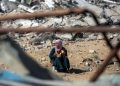
Even finding a spot to set up a tent is nearly impossible—entire neighborhoods in Jabalia, Beit Lahia, and Beit Hanoun are buried under debris, a grim reminder of the destruction that has unfolded.
Desperate for shelter, families are pitching makeshift tents on roadsides, beside the wreckage of their former homes.
Some parents, unable to shield their children from the cold, are sending them to sleep in neighbors’ tents—small acts of solidarity in an existence stripped of security.
According to the Government Media Office, northern Gaza and Gaza City urgently need 135,000 tents and caravans, as an estimated 90% of the region has been annihilated in what officials describe as an act of genocide. Yet, relief remains out of reach.
Israel has blocked the entry of mobile homes and construction equipment into Gaza, despite an internationally brokered ceasefire agreement that included humanitarian provisions.
Meanwhile, reports from Israeli media confirm that Prime Minister Benjamin Netanyahu has refused to allow these vital supplies into the territory.
As discussions continue, families in Gaza are left in limbo—shivering, homeless, and forgotten by a world that has yet to act.
Every night that passes without shelter is another night of suffering, another test of resilience for a people who have already lost so much.
Shortlink for this post: https://daysofpalestine.ps/?p=60834