DaysofPal- A senior official from Médecins Sans Frontières (Doctors Without Borders) has warned that most patients treated in Gaza over the past six months have suffered direct injuries, highlighting the continued severity of conditions despite a ceasefire agreement.
In an interview, Shaimaa Ouda, a mental health awareness supervisor with the organization, described the health situation in the Gaza Strip as “suffocating.” She said roughly 60 percent of cases received at MSF facilities were direct trauma injuries, reflecting ongoing violence and instability.
Although a ceasefire agreement was effected on October 10, 2025, living and health conditions for Gaza’s 2.4 million residents remain dire. The ongoing deterioration of access to essential services has displaced approximately 1.4 million people.
Ouda said the situation has seen little improvement since the agreement, citing continued restrictions on the entry of medical supplies, food aid, and shelter materials. She also pointed to repeated violations of the ceasefire that have resulted in hundreds of deaths and thousands of injuries, according to Gaza’s health authorities.
A Paralyzed Healthcare System
Medical teams working with MSF have treated hundreds of fatalities and thousands of wounded individuals. Injuries continue to arrive daily at facilities in Deir al-Balah and Gaza City.
Ouda noted that violence persists across the territory, with recurring incidents affecting civilians. She referenced a recent attack in the Maghazi refugee camp, where dozens of injured people, including critical cases, were brought in for treatment.
In early April, around ten Palestinians were killed and others wounded following shelling and drone fire targeting a gathering of civilians east of the camp.
Restrictions on the entry of medical supplies have significantly weakened healthcare services. Ouda said essential medications, particularly for chronic conditions such as insulin, are increasingly difficult to obtain.
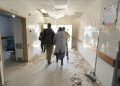
Hospitals also face critical shortages of surgical tools, sterilization materials, and infection prevention supplies. These gaps have reduced the quality of care and limited the ability of medical staff to respond effectively to emergencies.
Spread of disease
Ouda warned of a growing surge of diseases linked to deteriorating living conditions. Skin infections, diarrhea, and respiratory illnesses are spreading due to a lack of clean water and poor sanitation.
She observed a significant increase in scabies cases, especially among children residing in shelters and tents with limited access to hygiene and healthcare.
These concerns echo warnings from World Health Organization officials, who have cautioned that the spread of disease in Gaza could pose broader regional risks if restrictions on medical aid continue to hinder response efforts.
Children remain the most vulnerable group, with increasing cases of respiratory infections, meningitis, and worsening skin conditions reported in medical facilities.
Ouda said some families delay seeking treatment due to social stigma associated with skin diseases, which leads to further deterioration in children’s health.
Ouda called for meaningful political pressure to ensure the immediate entry of medical and food supplies into Gaza. She warned that the current trajectory could lead to severe humanitarian consequences.
She stressed that suffering continues despite discussions of de-escalation, pointing to acute shortages of resources and the collapse of basic services. She urged swift international action to prevent further deterioration of the healthcare system.
The ceasefire agreement followed two years of genocide that began on October 8, 2023, resulting in tens of thousands of victims, more than 170,000 injuries, and widespread destruction affecting most of Gaza’s civilian infrastructure.
Shortlink for this post: https://daysofpalestine.ps/?p=73886