DaysofPal- A Palestinian rights advocate has warned that Israel’s ongoing military campaign in Lebanon includes an undeclared objective of dismantling Palestinian refugee camps in the country, which are enduring symbols of the Palestinian refugee cause and the right of return.
Ali Huwaidi, director of the 302 Organization for the Defense of Refugee Rights, said the camps have long represented a strategic concern for the Israeli occupation due to their political and symbolic significance tied to the Palestinian Nakba.
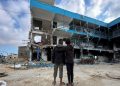
Speaking to Palestine Online, Huwaidi said repeated Israeli airstrikes on densely populated refugee camps, along with military evacuation orders affecting areas such as the Ain al-Hilweh, Rashidieh, and Beddawi camps, appear aimed at pressuring Palestinian refugees and dispersing their communities.
According to Huwaidi, the Israeli occupation has historically sought opportunities to undermine or dismantle the camps because they remain a visible reminder of the Palestinian refugee issue and demands for the right of return.
He also warned of the growing concerns that Israeli forces may attempt to impose new realities on the ground by pushing Lebanese residents and Palestinian refugees north of the Litani River, potentially forcing them away from the border with historic Palestine or even displacing them to other countries.
Recent displacement waves have reportedly affected several camps, including Rashidieh, al-Bass, and Burj al-Shamali, as well as nearby coastal communities.
Huwaidi cautioned that these movements raise fears of large-scale displacement and possible ethnic cleansing.
He highlighted several concerns behind the new wave of displacement, including humanitarian challenges faced by refugees who rely heavily on services from the United Nations Relief and Works Agency (UNRWA).
Political fears also exist that dispersing refugees into other communities could eventually lead to their permanent resettlement outside the camps, weakening the political status of the refugee issue. Security concerns have also been raised, with refugees fearing they could be targeted regardless of where they relocate.
Huwaidi criticized what he described as a weak response by UNRWA to the recent displacement crisis, saying the agency lacks a comprehensive emergency plan for Lebanon. He noted that the agency has opened three temporary shelters that are receiving displaced persons from Lebanon, Syria, and Palestine.
Most displaced refugees, however, have sought refuge with relatives and friends rather than moving into shelters, he said, stressing that urgent humanitarian and relief assistance is needed.
While the Lebanese government opened Beirut’s Sports City stadium to accommodate displaced Lebanese residents, Huwaidi criticized the limited assistance provided to Palestinian refugees both inside and outside shelter centers.
He emphasized that UNRWA bears significant responsibility for meeting the needs of displaced Palestinian refugees and should coordinate with international organizations and Lebanese authorities to ensure humanitarian aid is distributed without discrimination.
Huwaidi concluded by warning of the serious humanitarian and political consequences of continued Israeli air and ground operations in Lebanon, calling for sustained international action to support refugees in and outside the camps and to preserve UNRWA’s role as a key witness to the Palestinian refugee issue and the right of return.
According to UNRWA, around 493,201 Palestinian refugees are registered in Lebanon based on historical records.
However, Palestinian institutions estimate that the actual number currently residing in the country is closer to 220,000, due in part to migration driven by political, security, and economic factors.
Palestinian refugees in Lebanon live across 12 official refugee camps and several informal gatherings, where many face severe economic hardship, overcrowding, and limited access to services.
Shortlink for this post: https://daysofpalestine.ps/?p=72968