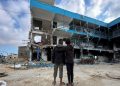
DaysofPal – The suffering of Palestinians in the Gaza Strip is growing worse by the day as residents face near-impossible challenges to secure even the most basic necessities: water, food, and shelter.
In the makeshift camps of Az-Zawayda, in central Gaza, every tent carries a story of loss and survival. Families crowd into small, fragile shelters that can barely fit their members. Cooking is done on handmade stoves fueled by scraps of wood, a dangerous but necessary substitute for gas, which remains largely blocked from entering the Strip.
While a small amount of gas has trickled in through restricted channels, most families have received nothing.
“We take turns cooking because there isn’t enough wood or gas,” said one displaced mother, standing beside a soot-covered pot. “We’ve forgotten what a normal meal looks like.”
The daily struggle extends to water, the most vital of all needs. With Gaza’s infrastructure shattered, families queue for hours under the scorching sun just to fill a few buckets. The same water is used for drinking, washing clothes, and bathing.
“There are no washing machines here,” said another woman. “We fill gallons by hand and scrub our clothes on rocks. It’s exhausting, but what choice do we have?”
Hygiene has become nearly impossible to maintain. With hygiene products blocked for months, mothers say they are unable to properly care for their children. “We are constantly worried about infections and illness,” one mother said. “Even keeping our children clean has become a daily battle.”
Most of those living in Az-Zawayda’s makeshift camp have nowhere to return to. Their homes have been completely destroyed or lie within areas now controlled by Israeli forces, along what residents call the “yellow line.” Others cannot afford the cost of traveling north, where bombardment and devastation are still widespread.
“We are trapped,” said one displaced man. “We can’t go back, we can’t move forward, we just try to survive these inhumane conditions.”
The Gaza City Municipality described the situation as a “catastrophic reality,” confirming that more than 80% of the city’s infrastructure has been destroyed in two years of relentless Israeli bombardment.
Municipality spokesman Hosni Muhanna said Israeli strikes had destroyed 56 water wells and severely damaged dozens more. Four main reservoirs were wiped out, and over 110,000 meters of water networks were destroyed, cutting off access to clean water for hundreds of thousands of residents.
“The destruction of Gaza’s infrastructure is systematic,” Muhanna said. “It’s not just about buildings; it’s about dismantling the ability of people to live.”
The United Nations Relief and Works Agency (UNRWA) warned that the humanitarian assistance entering Gaza remains a mere “drop in the ocean” compared to the enormous needs of the population.
In a recent statement, the agency stressed the urgent need to open all crossings and allow the unrestricted entry of aid. It warned that the ongoing blockade and the severe limitations on humanitarian access are worsening an already dire crisis.
Shortlink for this post: https://daysofpalestine.ps/?p=68736