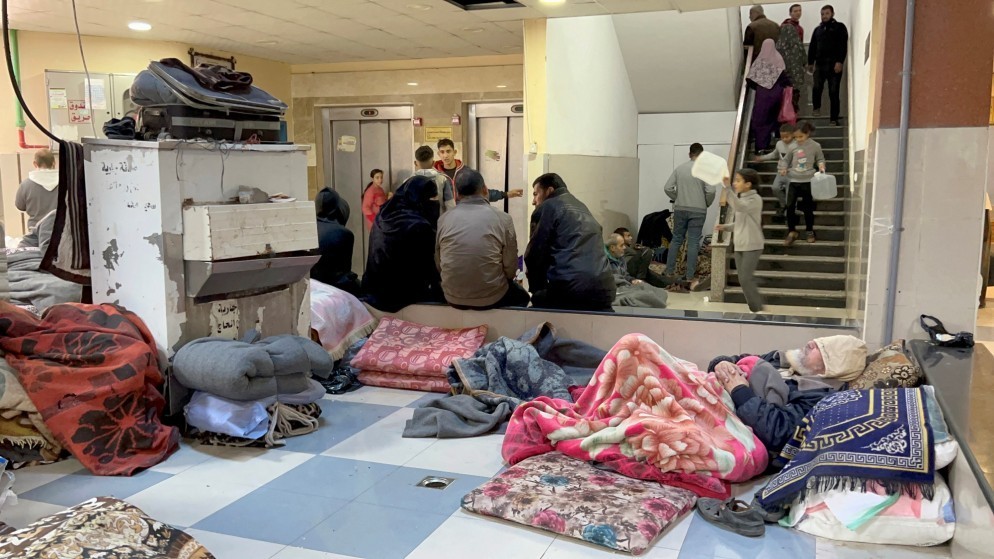
DaysofPal- Hospitals across the Gaza Strip are nearing total collapse amid an unprecedented shortage of medical supplies, as Israel’s complete closure of border crossings enters its seventh consecutive week. The blockade has left health institutions struggling to maintain even the most basic levels of care, threatening the lives of thousands of patients.
According to Alaa Hilles, head of the hospital pharmacy department at Gaza’s Ministry of Health, more than 37 percent of essential medicines and 59 percent of medical disposables are no longer available.
“Fifty-four percent of medicines for cancer and blood diseases are unavailable,” Hilles warned, noting that the shortages have severely disrupted oncology and hematology services across Gaza’s medical centers.
Patients dependent on dialysis are also at grave risk, with over 24 percent of critical treatments currently missing. “We are seeking medical alternatives, but in many cases, switching drugs can put patients’ lives at risk,” Hilles added.
Primary care facilities are similarly overwhelmed, operating without approximately 40 percent of essential medicines, creating an unsustainable environment for the treatment of chronic and life-threatening conditions.
The deepening health crisis coincides with Israel’s continued military escalation throughout the Strip, which has resulted in daily casualties and further strain on Gaza’s fragile infrastructure.
Dr. Hilles emphasized that the Health Ministry has been in constant communication with international organizations to highlight the pharmaceutical crisis.
“The ministry submits detailed reports on the pharmaceutical situation in the Gaza Strip to all international organizations operating in Gaza, including the World Health Organization, the International Committee of the Red Cross, the Emirati Red Crescent, and other institutions, in an attempt to reduce the shortage,” he explained.
Despite these efforts, little progress has been made due to the ongoing closure of border crossings.
On Monday, the United Nations marked 50 days since Israel sealed off Gaza’s crossings. “Not a single truck has entered since early March, no matter how critical the supplies,” said UN spokesperson Stéphane Dujarric.
Inside Gaza’s Ministry of Health warehouses, shelves sit nearly empty and distribution workers stand idle, reflecting the reality of a system brought to its knees. No deliveries arrive. No supply trucks are seen unloading goods. The medicine drawers are locked because there is nothing left to distribute.
This dire situation stems directly from the closure of the crossings on March 2, preventing the entry of food, humanitarian relief, medical aid, and essential goods, and leading to a catastrophic deterioration in humanitarian conditions across Gaza. The Health Ministry has warned that if the blockade continues, it will cause the total collapse of the health system, making it impossible to care for patients suffering from chronic and life-threatening conditions.
On Wednesday, Gaza’s government media office issued a stark warning, saying the region faces mass deaths at any moment due to “hunger, lack of health care, and the spread of diseases.”
“The humanitarian situation in the Gaza Strip has entered the stage of complete humanitarian collapse due to the systematic siege and starvation policy imposed by the Israeli occupation forces on its population for more than six months,” the statement read.
“The Gaza Strip is experiencing a real humanitarian disaster and a clear-cut famine,” the media office continued. “Hunger directly threatens the lives of the civilian population, especially more than 1.1 million children who suffer from acute malnutrition due to the absence of food, water scarcity, the deterioration of the health system almost completely, and depriving people of the minimum essentials of life.”
With hospitals unable to provide basic care, medical staff overwhelmed, and civilians left without food, medicine, or water, Gaza’s population stands on the edge of an unprecedented humanitarian catastrophe.
Shortlink for this post: https://daysofpalestine.ps/?p=62279