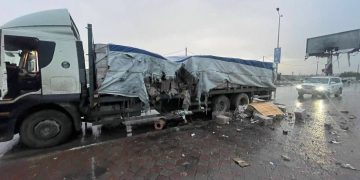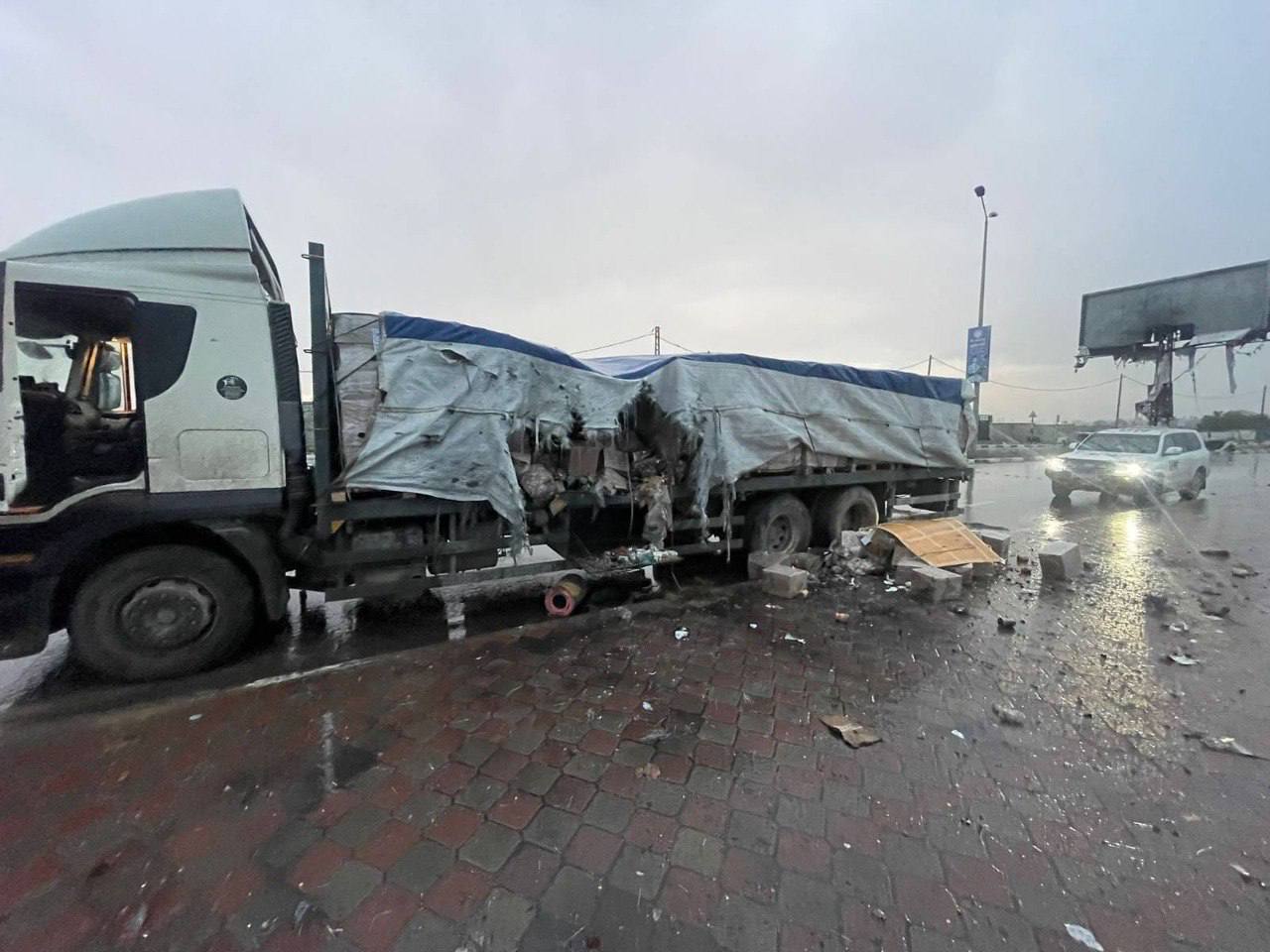
DaysofPal- The spokesperson for Gaza Municipality, Hosni Mhanna, said that border crossings have operated at extremely limited capacity during the recent regional escalation linked to the US–Israel war on Iran, allowing only about 10 percent of the enclave’s actual needs in aid trucks to enter.
Mhanna described the situation as a clear indication of deliberate restrictions on essential supplies, noting that the humanitarian conditions in Gaza are deteriorating at an alarming pace. He said Israeli occupation forces continue to keep crossings largely closed and impose tight controls on the entry of goods and assistance, directly affecting more than 2.4 million Palestinians.
He added that the escalation in the region has been used to intensify blockade measures, including tighter restrictions on the movement of goods and greater control over the flow of food, fuel, and basic commodities. These policies have significantly worsened the humanitarian and service crisis across the Gaza Strip.
The shortage of supplies has had an immediate impact on local markets. Prices of food, vegetables, and essential goods have risen sharply, while available quantities have declined. The territory is also facing a severe shortage of fuel and cooking gas.
Mhanna said the fuel crisis has caused major disruptions across key sectors. Water and sanitation systems have been heavily affected due to the shutdown of pumping and treatment stations. Municipal services have been reduced, including waste collection and well operations. The health sector is also under serious threat due to the lack of fuel needed to run generators.
He warned that continued restrictions, combined with the broader regional escalation, pose a direct threat to food security for more than 1.5 million people. Declining purchasing power and rising poverty levels are increasing the burden on vulnerable groups, including children, patients, and the elderly.
Mhanna also pointed to a rise in attacks and violations against Palestinians, describing it as a sign of worsening conditions on the ground. He said the international focus on the conflict with Iran has been used to impose further constraints on Gaza.
He called on the international community, the United Nations, and relevant organizations to pressure Israel to fully reopen the crossings and ensure the regular entry of humanitarian aid, fuel, equipment, and essential supplies without restrictions. He stressed the need to shield basic services from the impact of regional conflicts.
Mhanna warned that the continuation of current policies could lead to an unprecedented humanitarian disaster in Gaza, risking a total collapse of essential services and requiring urgent international action to protect civilians and sustain basic living conditions.
Shortlink for this post: https://daysofpalestine.ps/?p=73370