DayofPal—Panic buying and rising food prices have gripped the Gaza Strip after Israel closed most border crossings following the outbreak of the US-Israel war with Iran, raising fears that famine could return to the besieged enclave.
Residents rushed to local markets to stock up on essential goods as shortages quickly drove prices higher. Gaza relies almost entirely on border crossings for the entry of food and supplies, meaning any closure immediately affects availability and household budgets.
Ibrahim Madoukh, a father of eight in Gaza City who runs a small falafel stall, said the surge in ingredient prices has already forced him to raise his prices while customers buy less.
“The economic situation in Gaza has been deteriorating since the war,” he said, explaining that many people can no longer afford basic food items.
Prices have risen dramatically in just a few days. Onions that previously cost three shekels per kilogram are now selling for 15 shekels, while cooking oil has more than doubled.
The sharp increase has made it difficult for many families to buy even simple meals.
Madoukh said he used to give free falafel to hungry displaced children, but can no longer afford to do so. With only a week’s supply of ingredients left, he fears he may soon have to close his stall.
Israel shut the crossings last weekend shortly after war on Iran escalated, halting most movement of goods, aid and people.
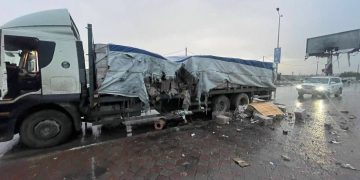
The Karem Abu Salem crossing was partially reopened on Tuesday to allow limited fuel and humanitarian assistance, while other crossings remain closed.
The United Nations has urged Israel to reopen more crossings to allow humanitarian aid into Gaza, where aid organizations are struggling to operate under severe restrictions.
For many residents, the economic crisis has already destroyed livelihoods. Ahmed Al-Shoubaki, a former painter who opened a small food stall after losing work during the war, said he spent nearly all his savings buying supplies when he heard the crossings had closed.
“My children cried from hunger last Ramadan. I cannot let that happen again,” he said.
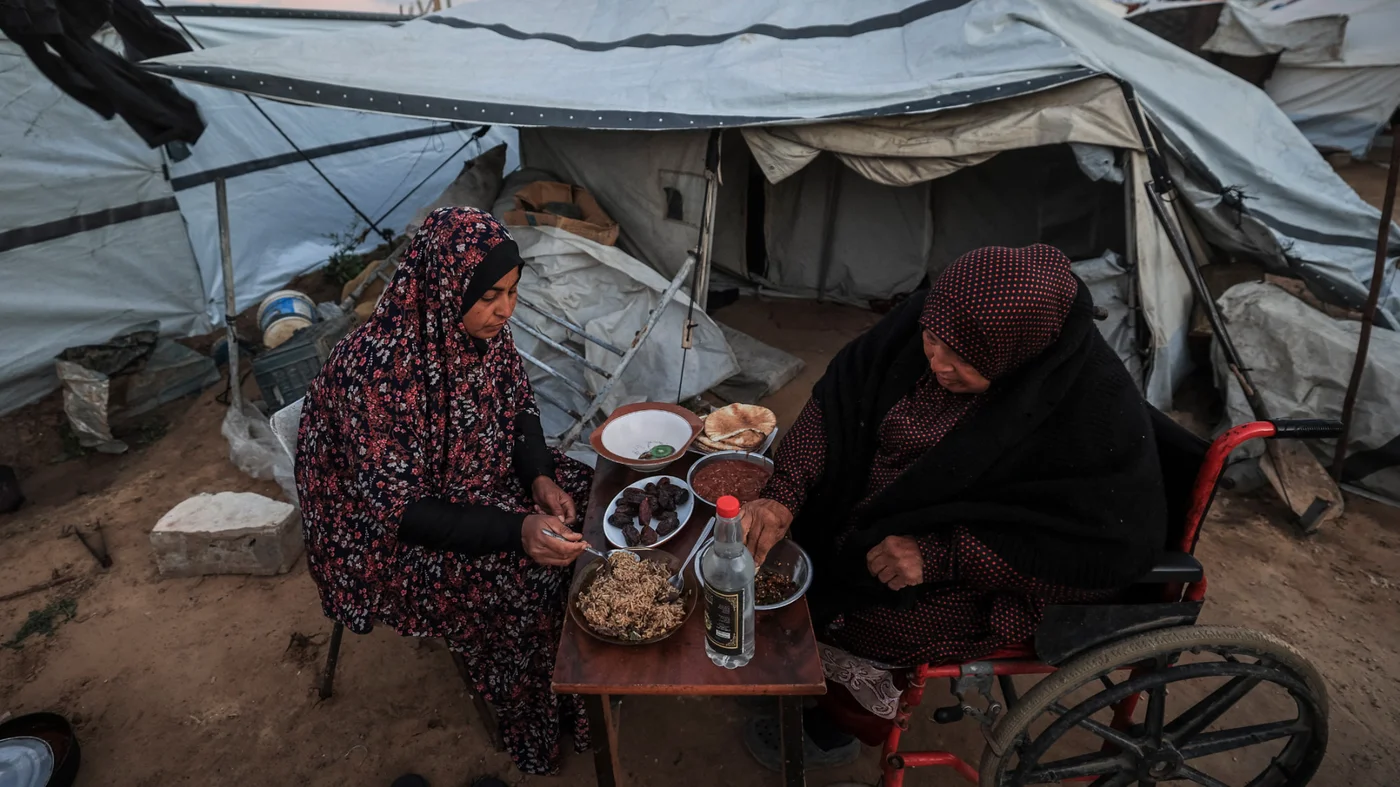
But many families cannot afford to stockpile food at all. Rana Rajab, a mother of six, said her family can only buy food on days when her husband finds work as a mechanic.
“Since the ceasefire we have been suffering from poverty and hunger,” she said, adding that rising prices have forced her to reduce the number and size of meals for her children.
Rajab fears that another famine could be approaching if the crossings remain closed.
“Every time we go through famine, it’s worse than before,” she said, calling on the international community to pressure Israel to allow food and aid into Gaza.
Shortlink for this post: https://daysofpalestine.ps/?p=72804