DaysofPal- A senior pediatrician in the Gaza Strip has warned of mounting health risks for children amid worsening environmental pollution and overcrowded living conditions across the besieged territory.
Dr. Jamil Suleiman, director of Al-Rantisi Children’s Hospital in Gaza, said there has been a noticeable rise in infectious diseases in recent weeks, led by a surge in chickenpox cases, particularly among children.
In remarks to Sanad News Agency, Suleiman said the Health Ministry has begun field steps to track the number of patients arriving at hospitals after a significant increase in children infected with the chickenpox virus in recent days, describing the trend as a reflection of the seriousness of the current health situation.
He noted that chickenpox, known for its rapid spread among children, has become a double threat in Gaza’s harsh environmental conditions and severe crowding.
“Population congestion inside homes and shelter centers in the Gaza Strip directly contributes to accelerating the transmission of infection among children,” Suleiman said.
He explained that although chickenpox typically affects a person only once in a lifetime, its risks increase among the most vulnerable groups, “especially very young children and those with weak immunity.”
“Some cases may develop into serious complications, including brain inflammations, which are rare but worrying,” he added.
Suleiman stressed that the current disease spread “is not limited to chickenpox but also includes multiple skin diseases caused by environmental pollution,” pointing in particular to the spread of rodents and insects such as mosquitoes, as well as animal waste, all of which are aggravating the overall health situation in Gaza.
He warned that severe environmental degradation in the enclave, driven by accumulated garbage and the lack of proper wastewater treatment, has created a fertile ground for the spread of viruses and skin diseases.
“Children are the most affected group in these conditions,” he said.
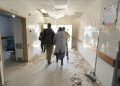
According to Suleiman, medical teams in Gaza have begun working to identify affected families and assess how widely the infections have spread in residential clusters, in preparation for introducing preventive measures to curb further transmission.
He called for urgent reinforcement of both health and environmental efforts, including improving public hygiene conditions, providing the necessary resources to health facilities, and raising awareness among families about ways to prevent infection.
Suleiman underlined the importance of reducing overcrowding in living spaces as much as possible and isolating infected cases, particularly among children, to limit the spread of the virus within communities.
He warned that if the deteriorating environmental situation continues without swift intervention, health crises will worsen, cautioning against wider outbreaks of disease if the situation is not contained “quickly and effectively.”
Earlier, Gaza Municipality spokesperson Ahmed al-Dreimli told Sanad that extensive destruction of infrastructure and buildings in the Strip has directly contributed to creating favorable conditions for the proliferation of rodents and insects amid the municipality’s inability to fully address the crisis due to a lack of resources.
In a statement issued in January 2026, the UN Relief and Works Agency for Palestine Refugees (UNRWA) said children in Gaza continue to live in dire conditions, citing restrictions imposed by Israeli forces on the entry of humanitarian aid into the territory.
Shortlink for this post: https://daysofpalestine.ps/?p=74057