DaysofPal- Health conditions in the Gaza Strip are deteriorating rapidly, with growing fears of disease outbreaks due to a critical lack of medical supplies and worsening environmental conditions due to the Israeli suffocating siege, a senior relief official has warned.
Mohammed Abu Afash, director of the Gaza Medical Relief Society, said the crisis has reached “unprecedented levels” after more than 200 days of restricted medical aid entering the enclave.
In comments to Sanad News Agency, Abu Afash stated that the failure to implement a ceasefire agreement provision allowing the entry of approximately 600 aid trucks per day has significantly worsened shortages of essential medicines and equipment.
“The healthcare system is suffering from a severe lack of basic equipment, including laboratory devices, imaging machines, and power generators,” he said, adding that spare parts needed for maintenance are also unavailable.
Although some materials, such as lubricants, have recently been allowed in, Abu Afash stressed that these are insufficient to address the deepening crisis.
He accused Israeli occupation of failing to adhere to agreed terms, leading to acute shortages, particularly in medications for chronic illnesses.
Abu Afash also raised alarm over the spread of rodents across the territory, describing the phenomenon as a “serious threat” to public health.
He warned that rodents could transmit dangerous diseases such as plague through contaminated food and contact with living conditions in overcrowded shelters.
Recent reports indicate that around 17,000 people, especially children and diabetes patients, have been affected by rodent-related health issues, he said, cautioning that the already strained healthcare system may be unable to respond to any large-scale epidemic.
Compounding the crisis is the accumulation of nearly one million tons of solid waste in streets, shelters, and alleys, particularly in northern Gaza, along with widespread sewage contamination.
These conditions are contributing to the spread of insects and disease, further exacerbating the public health emergency.
Abu Afash urged the international community to facilitate the urgent entry of pesticides and sanitation materials, as well as to accelerate reconstruction efforts and provide adequate housing to replace overcrowded tents, especially ahead of the summer season, which brings additional risks such as skin infections and heat-related illnesses.
He also called for sustained pressure to ensure a steady and sufficient flow of medical supplies, particularly laboratory materials, which he said are only available for a few days at a time despite growing demand.
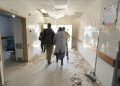
According to health officials, 103 out of 157 primary healthcare centers in Gaza have been destroyed, while the remaining 54 are only partially operational. In addition, key infrastructure, including oxygen generation stations and electrical systems, has been severely damaged.
Hospitals across Gaza are now facing the risk of imminent shutdown within days due to shortages of medicines, consumables, fuel, and generator oil, raising fears of a total collapse of the healthcare system amid ongoing conflict and restrictions.
Shortlink for this post: https://daysofpalestine.ps/?p=74269