Pascale Coissard, emergency coordinator for Médecins Sans Frontières (Doctors Without Borders), has highlighted severe health risks facing pregnant women due to appalling living conditions exacerbated by a lack of essential resources.
Speaking from Khan Younis, where MSF operates a maternity ward at Nasser Hospital, Coissard emphasized the critical shortage of hygiene and clean drinking water. These deficiencies, she explained, contribute significantly to the prevalence of infections such as urinary tract infections among the local population.
“The conditions here are dire,” Coissard lamented. “Pregnant women are particularly vulnerable, often experiencing preterm deliveries and miscarriages due to the stress and unsanitary environment they are forced to endure.”
The challenges extend beyond pregnancy complications. Coissard pointed out that post-delivery, women face immense difficulties in caring for themselves and their newborns under these adverse circumstances. “We are seeing a disturbing number of preterm deliveries,” she noted, highlighting the heightened risk of infections among these vulnerable infants.
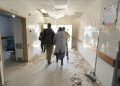
Nasser Hospital, as the sole tertiary facility in Gaza, shoulders immense pressure to manage these complex cases. Coissard stressed that any medical complication places an overwhelming burden on the hospital’s limited resources, further straining an already stretched healthcare system.
International humanitarian organizations like MSF continue to provide essential medical assistance despite these challenges. Their efforts aim to mitigate the impact of the crisis on mothers and infants who face daunting odds in accessing adequate healthcare.
The situation in Gaza remains a critical humanitarian concern, with organizations like MSF advocating for urgent interventions to improve living conditions and ensure access to basic healthcare for the region’s vulnerable populations.
Shortlink for this post: https://daysofpalestine.ps/?p=55253