DaysofPal- Over 45,400 people have been killed and over 108,000 injured since the start of the Gaza genocide 15 months ago. The horrors of the war are made all the more profound by the grave dangers faced by journalists trying to document the atrocities.
Reporting from a region effectively sealed off from international media access has proven almost impossible at times and tragically, far too often deadly.
Despite these unimaginable obstacles, Palestinian journalists have remained on the frontline, serving as the eyes and ears of the world amidst one of the deadliest conflicts of the 21st century. Their dedication to reporting has provided crucial insights into the horrors unfolding in Gaza, though it has come at a staggering cost.
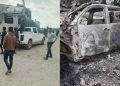
From the outbreak of war on October 7, 2023, until December 25, 2024, at least 217 journalists and media workers were killed in Gaza. The latest blow came on December 26, when an Israeli airstrike targeted a news van near al-Awda Hospital, killing five more journalists. These deaths underline the extreme and dangerous environment in which media professionals continue to operate, marking this conflict as the deadliest for journalists in modern history.
According to the Committee to Protect Journalists (CPJ), the war in Gaza has claimed more journalists’ lives within a single year than any other conflict the organization has ever recorded. The CPJ has also voiced deep concern over the systematic arrests, detentions, and killings of media workers in Gaza and the occupied West Bank since October 2023, which has created a dangerous news void. This absence of journalism means that critical events may go unreported, potentially allowing war crimes to remain undocumented.
By December 25, a sobering breakdown revealed that 192 male journalists and 25 female journalists had lost their lives. Among the female journalists, half were from Gaza City, while 64 percent of all killed media workers came from Gaza City and North Gaza. In total, 36 percent of the fatalities were from Deir el-Balah, Khan Younis, and Rafah, areas in central and southern Gaza.
The most deadly period for journalists occurred during the first three months of the conflict, from October to December 2023. In that time, more than half of the total casualties (52 percent) were killed, with October alone seeing 44 journalists and media workers perish, a staggering 20 percent of the total death toll.
Yet, the killings have not ceased, with the latest attack on December 26 serving as a tragic reminder that journalists remain at constant risk. These media professionals, ranging from reporters and writers to photographers, video directors, editors, and sound engineers, have risked their lives to bring the truth to the world.
The overwhelming majority of those killed (80 percent) were between the ages of 20 and 40, highlighting the young and often promising careers lost in this brutal conflict. Many were in the prime of their journalistic careers, devoting themselves to documenting the events as they unfolded.
The international community has raised its voice in alarm, with United Nations experts issuing a statement in February expressing their deep concern over the scale of attacks against journalists in Gaza. They emphasized that the killings of media workers blatantly disregarded international law and violated basic protections afforded to journalists in conflict zones.
As Gaza continues to endure unimaginable devastation, the world is left to reckon with the profound loss of life and the devastating toll on those who have dedicated their lives to revealing the truth, no matter the cost.
Shortlink for this post: https://daysofpalestine.ps/?p=59920