DaysofPal- Nearly 96% of residents in the Gaza Strip, approximately 2.1 million people, are experiencing acute levels of food insecurity, according to the Ministry of Social Development, as the humanitarian situation continues to deteriorate sharply despite a ceasefire agreement reached in October.
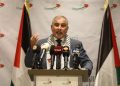
In statements to local media, ministry spokesperson Aziza Al-Kahlout warned that Gaza is facing catastrophic and highly complex humanitarian conditions, marked by a dramatic surge in basic needs and the continued fallout from the ongoing war.
Poverty rates have surpassed 90%, while unemployment has climbed above 80%, reflecting the unprecedented economic collapse.
Al-Kahlout noted that the average daily income in Gaza before the war stood at around 38 shekels, but purchasing power has now nearly collapsed amid hyperinflation reaching 512% and soaring commodity prices.
The crisis is further compounded by mass displacement. An estimated 328,745 families have been displaced across the territory, including 126,099 families living in shelters and 202,646 families residing in tents or temporary structures deemed unfit for human habitation.
Approximately 80% of these shelters are makeshift and lack basic privacy or protection from weather conditions.
The social toll has been severe. According to the ministry, the number of widows has risen to 47,019, including 26,370 who lost their husbands during the war.
Around 84.6% of them are within the productive age group of 19 to 59 years.
The number of orphans has surged to 64,616, with 55,157 having lost their primary caregiver during the Israeli genocide.
Additionally, 6,000 amputation cases have been recorded, including 864 children.
Authorities also reported that 1,268 children are suffering from brain and spinal cord injuries, while 824 children have been classified as the sole survivors of their families.
Despite mounting needs, the ministry acknowledged that its capacity to assist remains limited.
“Our capabilities are modest compared to the scale of the catastrophe,” Al-Kahlout said, citing the destruction of ministry facilities, severe shortages in funding, equipment, and transportation, as well as weak internet infrastructure in some areas. She also noted that 40 ministry staff members have been killed during the war.
To cope with the crisis, the ministry has adopted a range of innovative mechanisms, including digital systems that allow residents to update their data, register for aid, and select nearby distribution centers.
Assistance programs include cash support through the “We Stand With You” initiative, providing 500 shekels per household, as well as the distribution of food supplies, tents, bedding, and essential household items in coordination with international partners such as UNICEF and the World Food Program.
The ministry also continues to provide psychological, legal, and financial support to vulnerable groups, including women and children affected by violence, as well as monitoring cases of abuse, neglect, and family separation.
According to Gaza’s Government Media Office, Israeli forces have committed more than 2,400 violations of the ceasefire agreement, including killings, arrests, blockades, and actions contributing to widespread hunger.
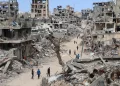
Since October 2023, the Israeli genocide has resulted in more than 72,000 deaths and approximately 172,000 injuries, alongside the destruction of nearly 90% of Gaza’s civilian infrastructure.
With over half of the territory still under Israeli control, hundreds of thousands of displaced people remain in dire living conditions, sheltering in tents, schools, and open areas after losing their homes.
The figures paint a stark picture of a deepening humanitarian disaster, with urgent international intervention needed to prevent further collapse of living conditions in the Gaza Strip.
Shortlink for this post: https://daysofpalestine.ps/?p=74247