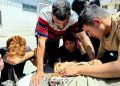
DaysofPal- The Gaza Strip has witnessed a sharp rise in infectious diseases in recent weeks, with chickenpox spreading rapidly among children under catastrophic conditions.
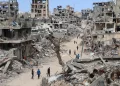
Field reports indicate that the spread of the disease is closely linked to the severe deterioration of environmental and health conditions. The accumulation of waste and the overflow of sewage have created an ideal environment for the transmission of infectious and skin diseases, particularly among displaced people living in overcrowded shelters.
Rapid Spread and Limited Care
Chickenpox typically begins with symptoms such as fever, fatigue, and body aches, followed by a rash and fluid-filled blisters that spread across the body. The virus is highly contagious, transmitted through respiratory droplets or direct contact, making it especially dangerous in densely populated displacement settings.
Nermin, a displaced mother living in a shelter in northern Gaza, said her five-year-old son first developed small spots that quickly spread across his body. She explained that his suffering is compounded by the lack of adequate treatment, leaving her with little option beyond trying to ease his pain with cold water.
Another mother, known as Umm Ahmad, described how her three-year-old daughter, Sujood, has been unable to sleep due to intense itching caused by the rash. Despite her efforts to maintain hygiene, severe water shortages in the camp west of Gaza City have made basic care difficult.
She expressed concern that her daughter’s condition could worsen due to the lack of both clean water and medical treatment.
For Umm Yousef, the situation is even more difficult. Two of her children became infected in quick succession due to overcrowding in a classroom where multiple families are sheltering. “More than 20 people live in a single room, most of them children,” she said. “They play together all the time, and it is nearly impossible to prevent the infection from spreading. I fear the rest will fall ill soon.”
Overcrowding and Environmental Collapse
Dr. Jamil Suleiman, head of Al-Rantisi Children’s Hospital in Gaza, confirmed a significant rise in infectious diseases, particularly chickenpox among children.
He noted that the rapid spread is driven by extreme overcrowding in homes and shelters, which accelerates transmission among young residents. However, chickenpox is only one part of a broader health crisis.
A range of skin diseases linked to environmental pollution are also spreading, fueled by the presence of rodents, insects such as mosquitoes, and animal waste. The collapse of sanitation systems and the accumulation of garbage have further intensified the situation.
Gaza Municipality has warned of a worsening environmental situation due to the massive buildup of waste and debris. Officials estimate that around 350,000 cubic meters of waste have accumulated within the city, creating fertile ground for disease and pests.
Ahmed al-Dremly, head of public relations at the municipality, said widespread destruction of infrastructure and buildings has contributed directly to the crisis. Municipal teams, he added, are struggling to respond effectively due to a severe lack of resources.
Risk of Escalation
Health officials warn that unless urgent intervention is taken, the already fragile situation could deteriorate further. Suleiman stressed that the continuation of current environmental conditions without immediate action will likely lead to wider outbreaks of disease.
The spread of chickenpox highlights a growing dimension of Gaza’s humanitarian crisis, where war, poverty, and environmental collapse intersect to threaten public health.
As infections continue to rise, the need for improved living conditions and access to medical care becomes increasingly urgent. Without swift and effective measures, the crisis risks escalating to levels that may become difficult to contain, placing an entire generation at risk.
Shortlink for this post: https://daysofpalestine.ps/?p=74107