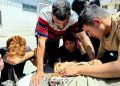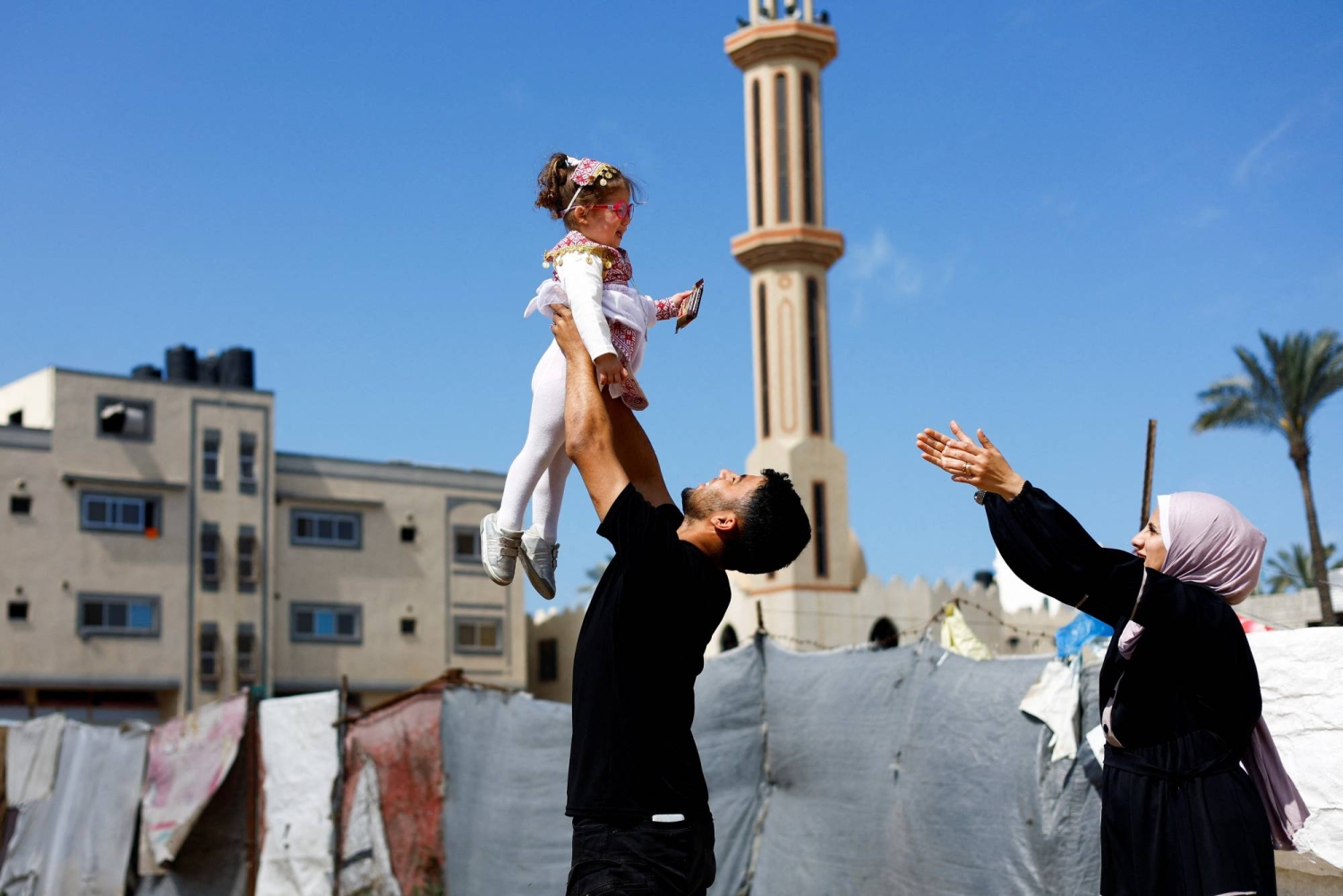
DaysofPal- Inside the cramped confines of a displacement camp, Sundus al-Kurd sits in the dirt, her arms locked around a toddler named Bisan. For nearly two years, this embrace was an impossibility, a scene Sundus could only reconstruct in her mind while scrolling through endless photos of unidentified infants on her phone. Now, the physical reality of her daughter’s presence is met with a mixture of overwhelming relief and the quiet, heavy realization of the time they have lost.
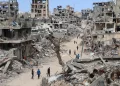
The separation of mother and child began in the frantic early weeks of the conflict. On October 22, 2023, a strike hit the family’s home in Jabalia, north of the Gaza Strip. Sundus, then eight months pregnant, survived the blast, but the cost was staggering.
A Succession of Tragedies
Al-Kurd recalls the moment with pain, saying she lost her mother, father, sister, and young daughter in the same strike.
She sustained severe injuries and was transferred to Al-Shifa Hospital in Gaza City, where she underwent an emergency Caesarean section. Her newborn daughter was placed in the neonatal unit among premature infants. Before she could recover from the shock, she faced another devastating turn.
With attacks on hospitals escalating and the Israeli military storming Al-Shifa Hospital in November 2023, she was forced to leave while still injured, separated from her newborn baby.
Holding her daughter now, she recalls those moments with a broken voice and tearful eyes, saying she cried endlessly and did not want to leave her child but was told she was in danger and that the baby would be safe.
A Long Search Across Borders
After the hospital raid, premature babies were transferred to southern Gaza and later to Egypt for treatment. From that point, a long and painful search began, with the mother following every possible lead, image, or name that might point her to her daughter.
She remembers scrolling through her phone, stopping at photos of children she did not recognize, studying every face in search of her own baby.
With every image, she asked herself whether the child could be hers. Despite efforts from those around her to accept the loss, hope remained alive. She believed her daughter was still alive.
Later, after reports emerged that children had been transferred to the Egyptian city of Arish, the family contacted international organizations. Relatives in Egypt eventually accessed hospital records, leading to confirmation that the child was alive.
“When they told me she was alive, I could not believe it. I felt life had returned to me,” she said.
Overcome with emotion, she held her daughter tightly again, kissing her repeatedly as tears ran down her face.
Rebuilding a Bond After Two Years
The reunion, while miraculous, has introduced a new challenge: reintroducing a mother to a daughter who has no memory of her. Sundus now spends her days in the courtyard of their tent, gently offering toys and repeating Bisan’s name, waiting for the child to bridge the distance.
“Bisan doesn’t know me yet,” Sundus admits, her laughter catching in her throat. “But I will tell her everything. I will tell her I am the mother who never stopped looking.”
The choice of the name “Bisan” serves as a living memorial to the sister Sundus lost in the initial bombing. It is a small attempt to weave the fragments of her family back together.
“That first night she slept in my arms, it felt like my soul finally returned to my body,” Sundus says. “The waiting is over.”
Shortlink for this post: https://daysofpalestine.ps/?p=73846