DaysofPal- A severe public health and humanitarian crisis is worsening in the Gaza Strip as widespread rodent infestations sweep through displacement camps, where thousands of Palestinians face daily rat attacks amid catastrophic living conditions and the near-total collapse of basic infrastructure.
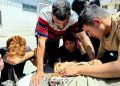
Inshirah Hajjaj, 63, recounted a harrowing experience after she was bitten by a rat while sleeping in her tent in Gaza City.
Because she suffers from diabetes, which has numbed sensation in her extremities, she did not initially feel the bites.
Her family only discovered the injuries the next morning when they noticed wounds on her feet.
“In the following days my foot began to swell and my toes turned blue,” Hajjaj said, later realizing that rodents had been gnawing at her body repeatedly as she slept.
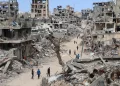
Her case is part of a growing phenomenon affecting displaced people across Gaza, where around 1.5 million people are crowded into makeshift shelters and worn-out tents after an estimated 80% of homes in the territory were destroyed during the ongoing war.
Families have been forced to construct primitive sanitation facilities due to a lack of materials and restrictions on bringing in construction supplies. This has led to pools of untreated sewage and stagnant water, creating an ideal breeding ground for rats and insects.
Hajjaj said she was taken to a field hospital, where doctors informed her that her foot showed early signs of poisoning from the rat bite.
She described the ordeal as leaving her with deep psychological trauma.
Local reports indicate that hundreds of people with rat bites and scratches have sought treatment in hospitals, while others have turned to social media to plead for help and draw attention to the growing danger.
In another incident, a 28-day-old baby was attacked by a rat inside his family’s tent in northwestern Gaza City. His father awoke to the sound of his screams and found the infant covered in blood after the rodent had mauled his face.
The baby was transferred to Rantisi Hospital, where doctors confirmed clear signs of rat bites, in one of hundreds of similar cases documented in the Strip.
Doctors warn that such injuries can quickly become life-threatening, especially given the acute shortage of antibiotics and medical supplies caused by the ongoing blockade.
The spread of rodents reflects the scale of Gaza’s environmental disaster. UN estimates indicate that more than 60 million tons of rubble now litter the enclave, an average of about 30 tons per person, providing ideal habitats for rats.
Gaza City alone is burdened with more than 25 million tons of debris and around 350,000 tons of accumulated solid waste, compounding the crisis and overwhelming already-strained local services.
Gaza’s municipality says it receives thousands of complaints daily about rodent infestations but is unable to contain the problem due to lack of resources and restrictions on importing pest control supplies.
“The magnitude of the catastrophe far exceeds the municipality’s capacity,” spokesperson Husni Mehanna said, noting that any effective response would require large-scale interventions, including rubble removal, provision of fuel and heavy machinery, and adequate rodent-control materials.
The UN Relief and Works Agency for Palestine Refugees (UNRWA) has also reported rat infestations across displacement sites, stressing the urgent need for pesticides and other materials to tackle the crisis.
Under these conditions, displaced residents face a daily double threat of infection and physical injury, with no immediate solutions in sight, further deepening Gaza’s protracted humanitarian emergency.
Hajjaj, who still lives in her tent, says the experience has transformed her life. “I can no longer sleep peacefully after what happened to me,” she said.
Shortlink for this post: https://daysofpalestine.ps/?p=73810