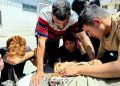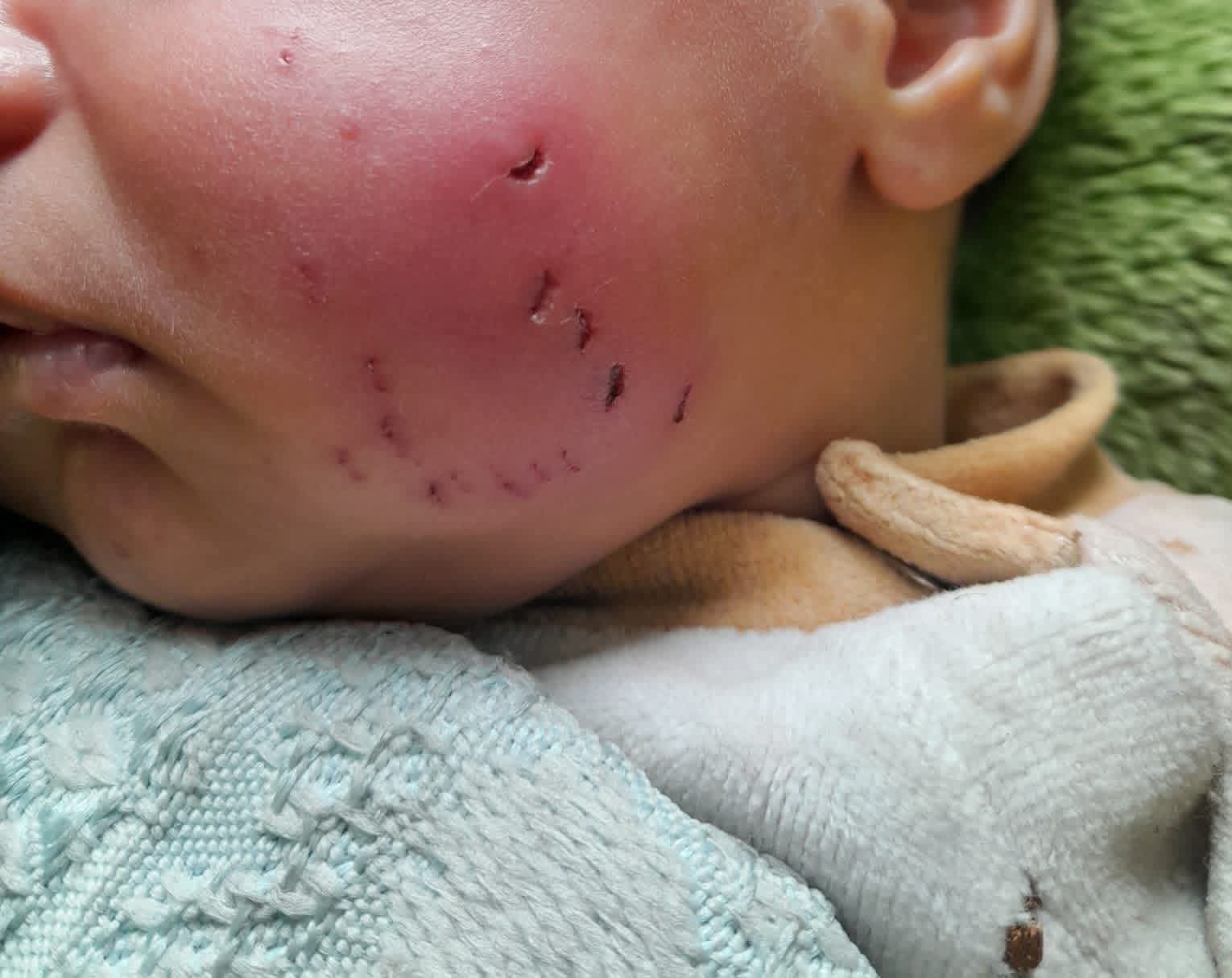
DaysofPal- k A 28-day-old infant is recovering in a Gaza hospital after being mauled by a rat inside a displacement tent, an incident that highlights the collapsing sanitary conditions facing millions of Palestinians. The attack occurred in the al-Maqusi district, where the child’s father discovered the newborn with severe facial lacerations after hearing a “piercing scream” in the middle of the night. Health officials warn that the incident is a direct consequence of a dismantled infrastructure that has allowed rodents to overrun overcrowded, porous shelters.
Adam is currently undergoing close medical observation at the Al-Rantisi Children’s Hospital. While he survived an injury that could have easily spiraled into a health catastrophe, the incident is not an isolated one. Instead, it reflects a daily reality for thousands of displaced people in the Gaza Strip, where the immediate dangers of war intersect with escalating environmental and health threats inside the camps.
Yousef al-Ustad, Adam’s father, recounted the moments of the attack with a voice heavy with shock. He explained that he woke up around 1:00 AM to the sound of intermittent crying. Upon approaching his son, he discovered blood masking the infant’s face while a large rat fled from the tent. Without a second thought, he scooped up the child and rushed to the hospital to save his life.
Inside these displacement tents, there are no sturdy doors or barriers to prevent the infiltration of rodents. Families live in spaces open to all hazards. Rats have become a permanent fixture of the daily landscape, thriving on accumulated waste and the complete absence of proper sewage services. In this environment, the minimum requirements for a safe life are entirely non-existent.
Forced Displacement and Compounded Health Risks
The al-Ustad family’s journey to this tent was a result of repeated forced relocations. Since the start of the conflict, they have been displaced multiple times following the destruction of their home in the Sheikh Radwan neighborhood. They eventually found themselves in a cycle of displacement that ended in a fabric shelter that provides no protection against the cold or external dangers. This suffering is compounded by poverty and a total loss of income, stripping families of the ability to afford basic protective measures.
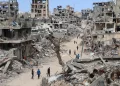
Reports indicate that Israeli operations have destroyed approximately 90% of buildings and homes in the Gaza Strip over the past two years. This has turned more than two million people into displaced persons living in schools and tents under harsh humanitarian conditions. UN reports highlight that these camps suffer from acute overcrowding and a significant deterioration in water and sanitation services. The ongoing siege and military actions have led to an explosion in the population of rodents and insects, significantly increasing the likelihood of infectious diseases among the most vulnerable group: children.
Repeated Incidents and Threatened Childhoods
Adam’s injury is part of a series of similar incidents shared among the displaced. Local authorities remain unable to provide effective solutions for pest control due to the overwhelming pressure on resources and continued military operations. Because the tents lack solid floors or sealed entry points, residents have no way to defend themselves against these biological threats.
Medical professionals warn that rodent bites can transmit dangerous diseases, including acute bacterial infections. Such injuries require urgent medical intervention and rigorous monitoring, which is what Adam is currently undergoing as his parents wait in fear of long-term complications.
What should have been a normal night of sleep turned into a traumatic ordeal for the al-Ustad family. Their story is a concentrated expression of a much broader crisis. In Gaza, the threat to a child’s life is no longer limited to bombardment; the very details of daily existence, shelter, food, and hygiene have become life-threatening factors. The tent, once a temporary refuge, has transformed into a fragile space that can no longer guarantee survival.
Shortlink for this post: https://daysofpalestine.ps/?p=73350