DaysofPal – Philippe Lazzarini, Commissioner-General of the United Nations Relief and Works Agency for Palestine Refugees (UNRWA), has warned that education for Palestinian refugees has come under growing attack over the past several years, placing an entire generation of children at risk.
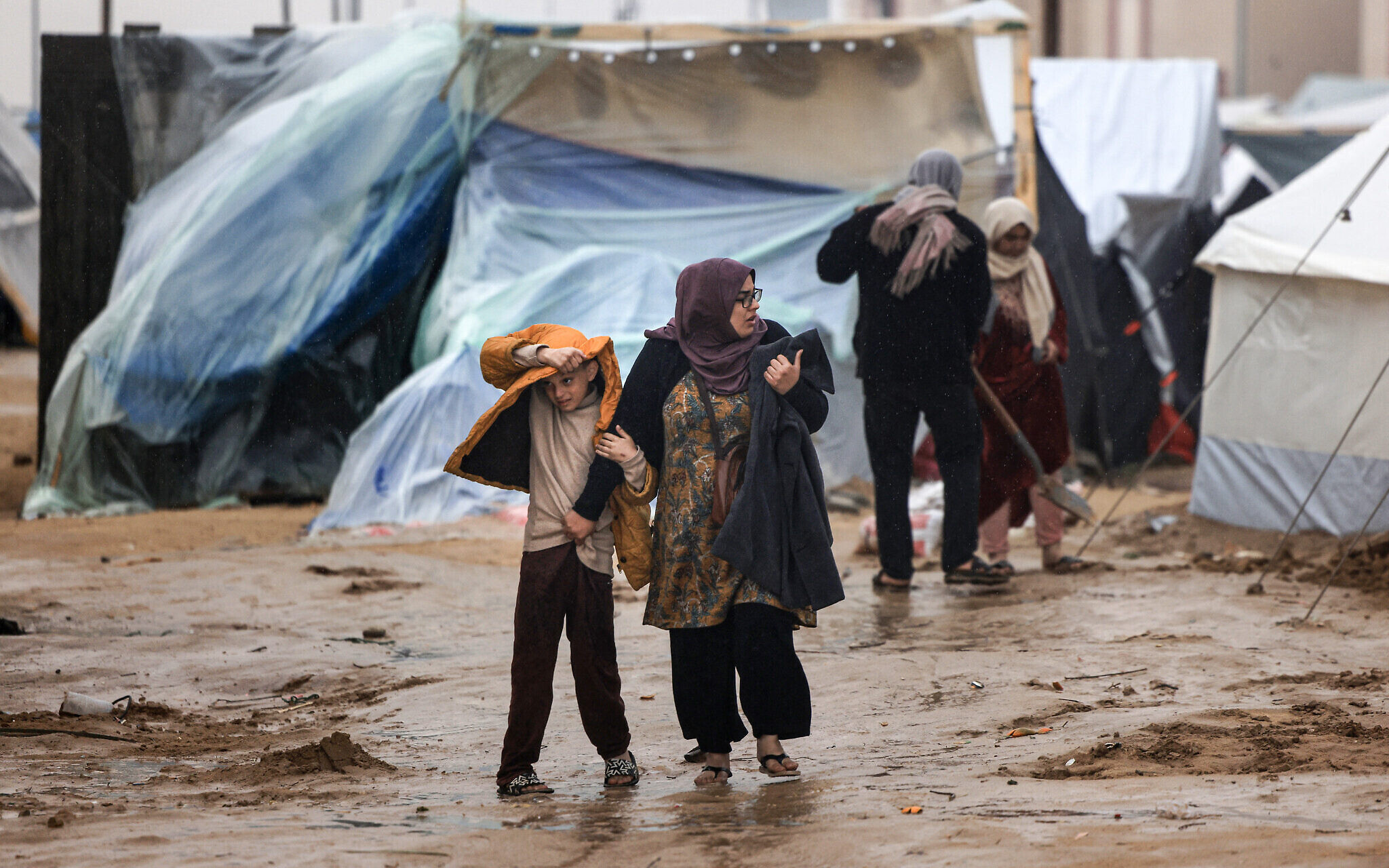
In a post published on the social media platform X on Saturday, Lazzarini said more than 600,000 children in Gaza have been denied access to regular schooling for over two years. He noted that many of these children are living with deep psychological trauma amid widespread destruction, stressing that restoring safe and stable learning environments remains a top priority for UNRWA.
Lazzarini reported that approximately 65,000 children are currently enrolled in UNRWA-run temporary learning spaces across Gaza. An additional 300,000 children are receiving basic instruction in reading, writing, and arithmetic through digital education platforms supported by the agency.
Data released by United Nations agencies, including UNESCO, UNRWA, and the UN Office for the Coordination of Humanitarian Affairs (OCHA), show that nearly 745,000 students in the Gaza Strip have been deprived of formal education since October 2023. This marks the third consecutive academic year lost for school-aged children.
The figures include around 88,000 university students whose higher education has been completely halted, a situation UN agencies describe as unprecedented and one that threatens the future of an entire generation of Palestinian children and youth.
According to verified UN reports, between 95 and 97 percent of schools and educational facilities in Gaza have sustained partial or total damage. The destruction has affected government schools, UNRWA-run schools, and private educational institutions. Many facilities have been completely destroyed, while hundreds of others are no longer usable and require extensive reconstruction or major repairs.
Education specialists warn that the prolonged disruption to schooling, combined with the widespread destruction of learning facilities, restrictions on UNRWA’s operations, and barriers preventing students from traveling, has created an unprecedented learning gap. Experts estimate the loss to be equivalent to three to five years of effective education.
They caution that the long-term consequences could be severe, with lasting impacts on human development, social stability, and economic prospects in Gaza. Without urgent intervention, specialists warn of the emergence of a “lost generation” of Palestinian children and youth.
Shortlink for this post: https://daysofpalestine.ps/?p=71607