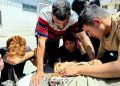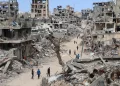
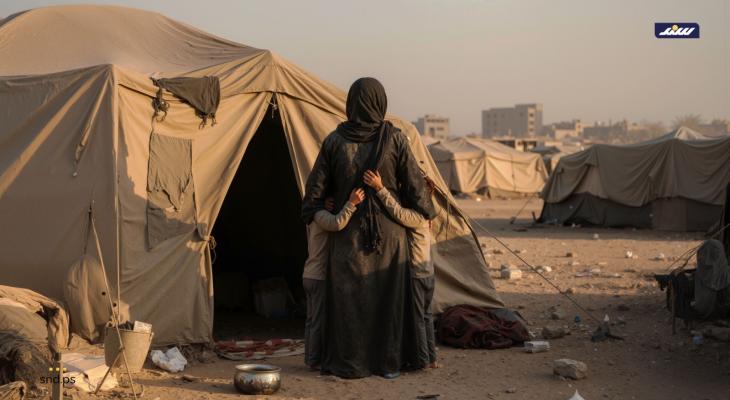
Two years into the genocidal war on Gaza, Palestinian women remain at the heart of a massive humanitarian disaster, with the conflict leaving them widowed and struggling to survive amid daily hardships. The war has exposed the extreme vulnerability of women and girls, stripping them of their husbands and forcing them to confront life alone.
Since October 7, 2023, casualties in Gaza have surpassed 69,000, leaving tens of thousands of women widowed and a similar number of children orphaned overnight. The scale of loss has overwhelmed the capacity of charitable organizations to respond.
Reports from the General Union of Palestinian Women indicate that over 1.1 million women live in Gaza, with approximately 2% of those under 35 losing their spouses, becoming widows at an early age.
According to the Gaza government media office, 21,200 women became widows over the past two years of war, while the number of orphaned children in the Strip has risen to more than 44,000.
Women’s Suffering
As one of the most vulnerable groups in Gaza, women have faced unprecedented violations affecting all aspects of daily life during the genocidal war.
UN data shows that over 400,000 displaced women live in unsafe health conditions, residing in tents lacking clean water, sanitation facilities, and access to emergency medical care. Humanitarian agencies report that 90% of Gaza’s population is now unable to meet basic needs.
Testimonies from women across Gaza highlight financial and psychological exploitation due to the absence of male providers, forcing many to avoid social contact and exposing them to severe mental distress.
UNICEF and UN Women have documented rising rates of depression and acute anxiety among women, increasing social stigma, isolation, and a profound lack of personal security, particularly among widows and survivors of direct attacks.
The United Nations has warned of widespread despair, extreme fatigue, and fragile hope following the ceasefire. Many women have been displaced at least four times and continue to face a reality offering no safety, stability, or reliable access to food.
Even before the war, life for widows in Gaza was difficult, but a network of local and international charities provided support, including orphan care and monthly stipends for mothers to purchase food, medicine, and essential supplies.
Today, that support system has collapsed entirely, leaving women and children to confront a harsh and unrelenting reality on their own.
Shortlink for this post: https://daysofpalestine.ps/?p=69623