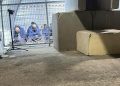
DaysofPal- The Palestinian Prisoners Society (PPS) has sounded the alarm over escalating crimes committed by the Israeli occupation prison system against Palestinian prisoners amid the ongoing genocidal war in the Gaza Strip.
The organization warns that time is running out for many detainees, with an increasing likelihood of more martyrs as conditions inside prisons deteriorate further.
In a report published on Monday, based on recent visits conducted by PPS lawyers, the rights group provided harrowing updates on the state of prisoners held in facilities such as Ofer, Megiddo, Gilboa, and the Negev.
The findings paint a grim picture of systematic abuse, neglect, and deliberate medical deprivation, with scabies making a resurgence among those who had previously recovered.
Health Crisis Worsens: Starvation, Disease, and Neglect
According to PPS, every prisoner visited suffers from at least one health issue. Chronic illnesses are left untreated, starvation tactics persist, and diseases like scabies continue to spread unchecked due to deliberate policies aimed at undermining hygiene standards.
Inmates in Negev and Megiddo prisons reported that scabies—a highly contagious skin condition—had returned despite prior recoveries, exacerbated by the denial of necessities required for personal cleanliness.
During visits, lawyers observed visible signs of physical suffering among prisoners. Many exhibited boils, severe emaciation, and constant fatigue caused by relentless itching that prevented sleep.
At Ofer Prison, child detainees (referred to as “cubs”) confirmed widespread cases of unexplained rashes and itching, raising fears of undiagnosed outbreaks among minors.
Escalation of Repression and Brutality
Testimonies collected during the visits highlighted the intensifying repression faced by prisoners. Raids have become frequent and aggressive, often involving police dogs equipped with metal muzzles.
Detainees described being subjected to beatings, both individually and collectively, often carried out in front of their comrades as a form of psychological torment.
Muhammad Abu al-Rub from Jenin and Khairy Ali from Nablus, both serving life sentences at Gilboa Prison, recounted enduring severe beatings since the start of the genocidal war. They also spoke of deliberate humiliation and degrading treatment designed to break their spirits.
One injured prisoner revealed how his eye injury worsened after an attack by police dogs during a raid. Despite requesting medical attention, he was denied access to care, leaving him in unbearable pain.
This pattern of withholding treatment is part of what the PPS describes as a calculated strategy to use injuries as tools for torture and abuse.
Systematic Policies of Oppression
The PPS emphasized that the same oppressive policies imposed since the onset of the genocide remain in place, with only one difference—their escalation. From enforced disappearances to the deliberate withholding of medical aid, these practices have led to the deaths of dozens of prisoners.
Since the start of the extermination campaign, 65 prisoners have died in custody, including Nasser Khalil Radaideh, 49, from Al-Ubeidiya, whose death marks the latest tragedy. Among the victims are at least 40 prisoners from Gaza, though exact numbers remain obscured by Israel’s policy of enforced disappearance.
Since 1967, the total number of martyred prisoners stands at 302, with 74 bodies still being withheld by Israeli occupation forces. Shockingly, 63 of those bodies were seized since the current wave of extermination began.
A Call for Accountability
The PPS condemned the systematic nature of these crimes, describing them as deliberate acts of violence perpetrated instantaneously and without accountability.
As the world remains largely silent, the organization urged international bodies and human rights advocates to intervene, demanding an end to the inhumane treatment of Palestinian prisoners and justice for those who have lost their lives behind bars.
For the thousands of Palestinians languishing in Israeli prisons, survival grows increasingly precarious as hunger, disease, and brutality take their toll. Their plight underscores the urgent need for global action to hold the Israeli occupation accountable for its continued violations of human rights.
Shortlink for this post: https://daysofpalestine.ps/?p=62234