More than a dozen human rights experts have condemned Israel for what they describe as the renewed use of “weaponized starvation” in Gaza, following its decision to halt ceasefire negotiations and block humanitarian aid from reaching the besieged enclave.
In a statement released Thursday, independent UN experts asserted that Israel’s actions “flagrantly breach international law and any prospects of peace.”
“We are alarmed by Israel’s decision to suspend once again all goods and supplies, including life-saving humanitarian aid entering the Gaza Strip,” the experts said.
“As the occupying power, Israel is always obliged to ensure sufficient food, medical supplies and other relief services. By deliberately cutting vital supplies, including those relating to sexual and reproductive health, and assistive devices for persons with disabilities, Israel is once again weaponising aid.”
The blockade, the experts warned, violates international humanitarian and human rights law and constitutes war crimes and crimes against humanity under the Rome Statute.
Ceasefire Violations
The UN statement also criticized the failure of a proposed ceasefire agreement, which was intended to halt hostilities and facilitate the release of unlawfully detained Palestinians and Israelis. Instead, the experts noted, it has led to further violence and destruction.
“The so-called three phase ceasefire deal should have led to a permanent cessation of hostilities and the release of all Palestinians and Israelis unlawfully detained as a most basic requisite for sustainable peace. Instead, they resulted in further violence and even further destruction of Palestinian life. This is both unlawful and utterly inhumane.”
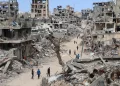
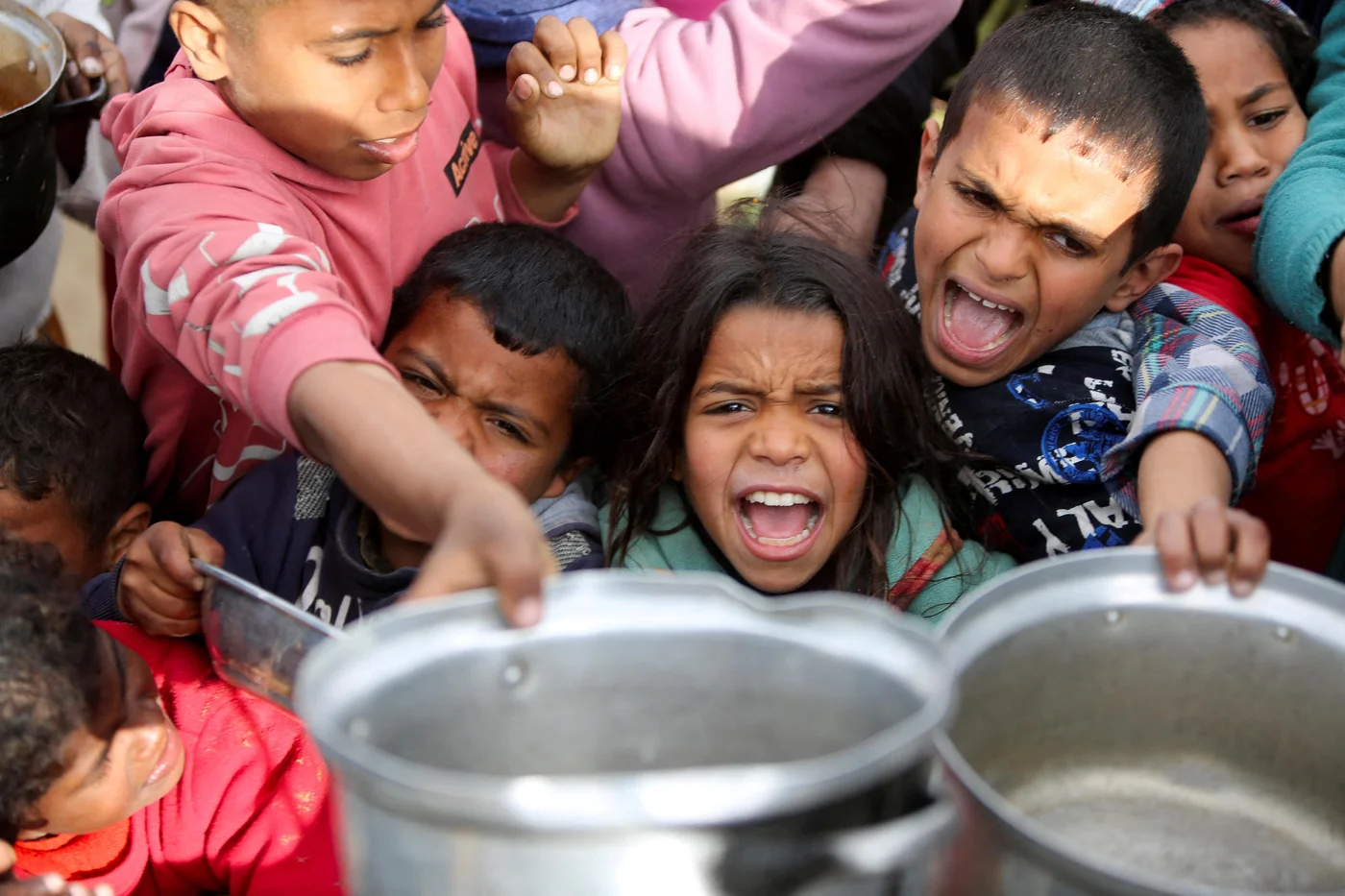
The experts highlighted the dire humanitarian situation, emphasizing that the near-total destruction of Gaza’s farmland and infrastructure—combined with Israel’s siege—has left displaced civilians in increasingly desperate conditions.
“Creating unliveable conditions for the Palestinians under Israeli occupation appears to be Israel’s determination across the entire occupied Palestinian territory, from the decimated Gaza Strip to the West Bank,” the joint press release notes.
“The reality is that while the ceasefire restored a glimpse of hope for Palestinians and Israelis, it ‘never ended’ fire against the Palestinians.”
Although fighting officially paused on January 19, Israeli forces have continued airstrikes and other attacks in Gaza, violating the ceasefire agreement. The experts also criticized the international response, saying:
“We are particularly dismayed by the swift endorsement by some states and regional organisations of Israel’s justification to cut off aid to Gaza as a reaction to Hamas’ alleged violations of the ceasefire, while Israel’s numerous infringements of the ceasefire went largely unreported.”
They urged mediators to intervene, calling for international action to stop what they described as “this brutal and endless assault on the Palestinian people and their rights, lest the whole world be swept up in this storm of lawlessness and injustice.”
The UN statement comes as Israeli leaders openly push for harsher measures against Gaza. Israeli Finance Minister Bezalel Smotrich welcomed the aid blockade as an “important step in the right direction,” while National Security Minister Itamar Ben Gvir called for a complete shutdown of water and electricity supplies and even suggested bombing humanitarian aid shipments.
Ben Gvir said that such measures should be taken in the Gaza Strip to “starve” Hamas before resuming the war “so that we can later crush them easily.”
Plans by Israeli occupation authorities to cut off water and electricity were already circulating prior to Ben Gvir’s statement.
They are part of a strategy meant to apply “maximum pressure on the Gaza Strip and Hamas,” according to Israeli broadcaster Kan 11.
The latest blockade has sparked widespread condemnation from human rights organizations, who warn that it will further deepen Gaza’s humanitarian crisis, exacerbating starvation and suffering among civilians trapped in the enclave.
Shortlink for this post: https://daysofpalestine.ps/?p=61229