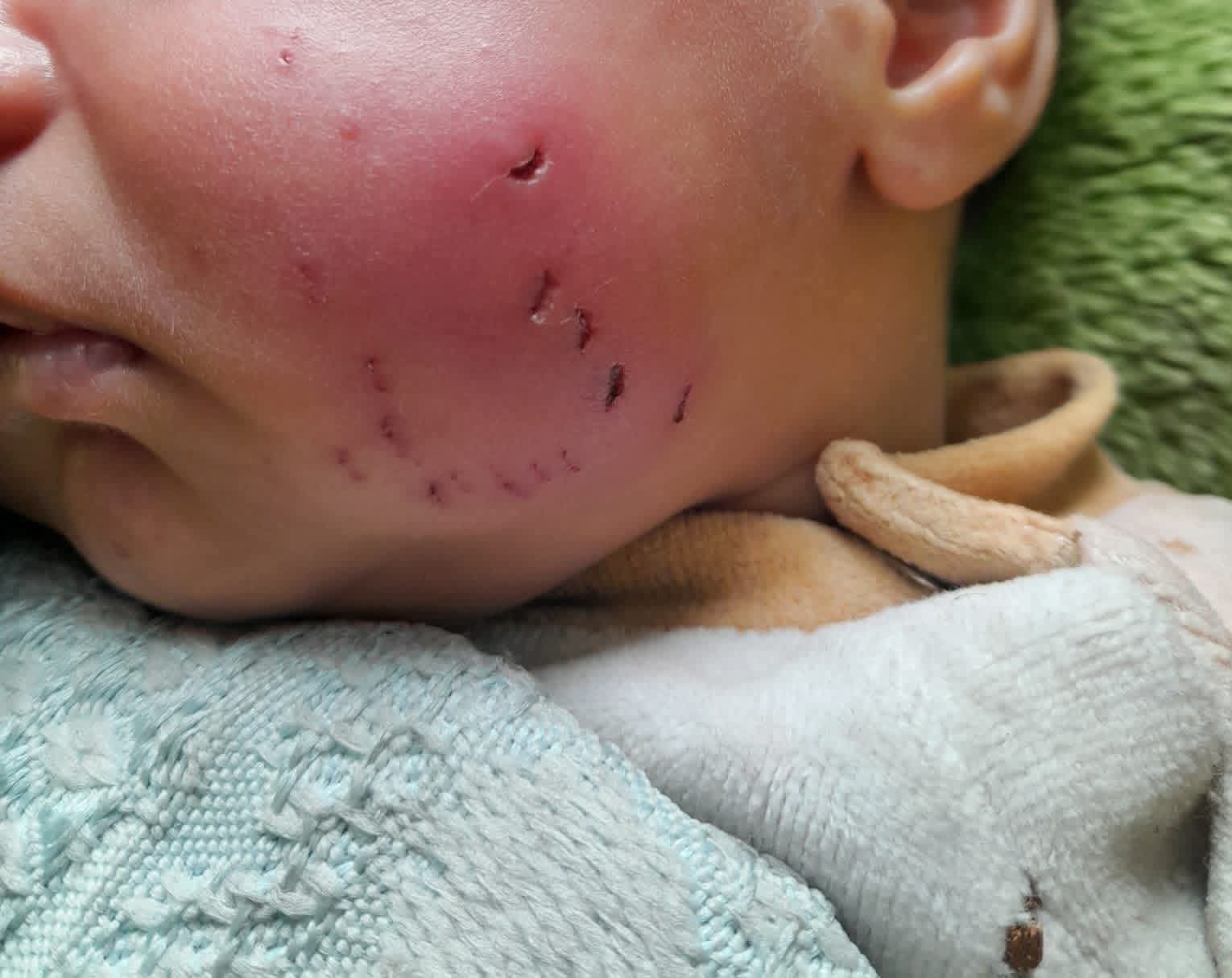
DaysofPal— A senior dermatologist has warned of a sharp rise in chickenpox cases in the Gaza Strip, linking the spread of the highly contagious disease to deteriorating humanitarian conditions driven by Israeli genocidal war, mass displacement, and malnutrition.
Dr. Raed Abdul Karim Abu Sariya, a dermatology consultant with the Palestinian Red Crescent Society and the Ministry of Health, said health facilities have recorded a notable increase in infections in recent months.
Speaking to Palestine newspaper, he said that the trend is consistent with reports from the United Nations Relief and Works Agency (UNRWA) and the World Health Organization, which have documented a broader rise in infectious diseases across the territory.
Abu Sariya said chickenpox can be transmitted up to 48 hours before the onset of symptoms, with patients remaining contagious for eight to ten days. The incubation period typically lasts around two weeks.
He stressed that isolating infected individuals is the most effective way to limit transmission but said such measures are largely unfeasible under current conditions.
Many displaced families are living in overcrowded tents or shelters, enabling the rapid spread within households and surrounding communities.
Hospitals and clinics, including Al-Quds Hospital, are treating dozens of patients daily for skin-related conditions, with chickenpox accounting for a significant share.
Medical teams face mounting challenges in monitoring and isolating cases due to extensive damage to healthcare infrastructure.
Treatment options remain limited, Abu Sariya said, noting that medications for skin diseases are scarce at Palestinian Red Crescent centers, while shortages persist in local markets due to restrictions on the entry of medical supplies.
He also challenged the widespread belief that infection guarantees lifelong immunity, saying reinfection can occur in approximately 15% of cases, though symptoms are generally milder.
According to Abu Sariya, the outbreak is being driven by a combination of overcrowding, weakened immunity linked to malnutrition, and the collapse of healthcare services, all of which have hindered prevention and containment efforts.
He warned that while chickenpox rarely caused serious complications before the war, current conditions have increased the risk of severe outcomes affecting the lungs, kidneys, or brain, potentially becoming life-threatening.
Abu Sariya called for urgent intervention by local and international health organizations to contain the outbreak, improve access to treatment, and enhance living conditions in shelters to reduce the spread of infectious diseases.
Shortlink for this post: https://daysofpalestine.ps/?p=76325