
Daysofpal – The United Nations has warned that at least 1.5 million people in the Gaza Strip are in desperate need of emergency assistance, as the enclave continues to reel from two years of war, mass displacement, and the near-total collapse of infrastructure and essential services.
Despite the ceasefire that took effect on October 10, 2025, brokered by US President Donald Trump, UN agencies say conditions on the ground remain catastrophic. Shortages of food, water, and medical supplies persist, while Israel continues to restrict the entry of crucial aid and reconstruction materials.
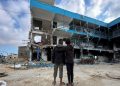
Palestinians returning to their homes in various parts of Gaza say they are finding nothing but rubble and ruins. According to the UN Satellite Analysis Program (UNOSAT), as of July 2025, around 193,000 buildings, equivalent to 78 percent of all structures that existed before the war began in October 2023, had been damaged or destroyed. In Gaza City alone, 83 percent of buildings were obliterated or severely damaged.
UN data analyzed by Agence France-Presse estimated that the war has left behind more than 61 million tons of rubble, posing a monumental challenge to any reconstruction effort.
The Gaza Civil Defense said there has been “no real change on the ground” since the ceasefire, noting that only a limited number of aid trucks have entered the territory, far below what is needed to meet the population’s basic needs.
The World Health Organization (WHO) reported that there has been no significant increase in food deliveries since the ceasefire and that hunger levels remain critical.
“The situation remains catastrophic because the quantities entering Gaza are insufficient,” WHO Director-General Tedros Adhanom Ghebreyesus said Thursday. He warned that “hunger is not abating due to food shortages,” despite the truce.
Under the ceasefire agreement, 600 aid trucks were meant to enter Gaza daily. Yet, according to WHO, only 200 to 300 trucks are entering each day, and many of them are commercial rather than humanitarian. “Large portions of Gaza’s population simply cannot afford to buy goods,” Tedros added, “reducing the number of people who actually benefit from this limited flow.”
Israel had repeatedly cut off aid access during the war, exacerbating what the UN now describes as famine conditions in parts of the besieged territory.
The United Nations Relief and Works Agency for Palestine Refugees (UNRWA) confirmed that Israel continues to block the entry of essential materials needed to provide shelter and heating to displaced families.
“The need for shelter and warmth in Gaza is increasing as winter approaches,” UNRWA said Saturday. “We have the necessary supplies in Jordan and Egypt, but they are being prevented from entering.”
Local officials warn that the continued restrictions are worsening the humanitarian emergency, particularly as temperatures drop and thousands of displaced families remain without adequate shelter.
According to UN estimates, 2.1 million Palestinians remain trapped in Gaza, most of them displaced multiple times since the conflict began. With infrastructure in ruins, food stocks depleted, and international aid largely obstructed, 1.5 million now depend on emergency assistance to survive.
Shortlink for this post: https://daysofpalestine.ps/?p=68761