DaysofPal – The health situation in the Gaza Strip is rapidly deteriorating, with around six patients dying every day because they are prevented from traveling abroad for medical treatment by Israeli occupation, according to health official Zaher al-Wahidi.
He warned that the enclave’s already fragile health system is facing a “choking and accelerating humanitarian collapse.”
Speaking at an event organized by a Palestinian newspaper under the title “Gaza Is Suffocating Medically… A Rapid Humanitarian Deterioration,” al Wahidi said that more than 21,000 patients have completed all procedures for medical referrals and are waiting to leave Gaza.
Among those are some 4,000 children, 4,000 cancer patients, and 195 patients classified as urgent life-saving cases.
Al Wahidi reported that 1,517 patients have died while waiting for access to treatment, including 69 deaths recorded in March alone, compared with just 59 patients evacuated for medical care during the same month.
Since the Rafah crossing was partially reopened in February, no more than 520 patients have been able to leave the Strip for treatment, he added.
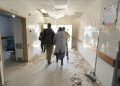
According to al Wahidi, Gaza’s hospitals have lost more than 55% of their bed capacity since the start of the war, dropping from 3,580 beds before the conflict to about 2,300 currently.
The number of operating rooms has fallen from 105 to fewer than 80, despite limited repair efforts.
He said the territory is suffering from a severe shortage of medical equipment. There are currently no MRI scanners available anywhere in Gaza, while the number of CT scanners has dropped from 17 to just 6, where only one cardiac catheterization unit remains in operation, he noted.
The pharmaceutical and medical supplies situation is equally dire, with a deficit exceeding 50% in essential medicines, 63% in medical consumables, and 74% in laboratory supplies. There is an acute shortage of drugs for chronic diseases and cancer patients.
Al Wahidi said cancer patients are among the groups most affected, especially after hospitals specializing in oncology care were targeted during the conflict. He estimated that around 1,000 cancer patients have died as a result.
For kidney patients, the number of dialysis machines has dropped from 193 to 92, leading to the death of more than half of all patients requiring dialysis, according to his figures. In addition, 25 dialysis patients have been killed in attacks, he said.
The health official reported that hundreds of new cases of malnutrition are being recorded every month. More than 460 children have died due to famine, and around 100,000 children suffered from acute malnutrition during 2025, he said.
Children, the elderly and mothers are the most affected amid weakened immune systems and the spread of disease. Al Wahidi also noted that deaths have been recorded due to extreme cold during the winter months, as displaced families lack adequate shelter and heating.
Al Wahidi stated that more than 1,700 medical personnel have been killed since the beginning of the war, while 362 health workers have been detained. Of those detained, 83 remain in Israeli prisons, he said.
Around 700 healthcare workers have left the Gaza Strip because of the war and its conditions, further depleting the health workforce.
Gaza’s health facilities are also facing a compounded crisis in electricity and fuel supplies. Hospitals are relying almost entirely on generators that, al Wahidi warned, are operating beyond their designed capacity and risk breakdown due to shortages of fuel, lubricants, and spare parts.
The health sector is currently dependent on limited and irregular fuel deliveries to keep essential services running.
Al Wahidi called on international organizations to urgently deploy specialized medical teams to Gaza and to facilitate the entry of medicines, equipment, and spare parts.
He warned that the health system is on the brink of total collapse if current conditions persist.
He added that ongoing Israeli restrictions on the entry of medical supplies and the continued obstacles to patient travel for treatment are dramatically worsening the humanitarian crisis in the besieged enclave.
Shortlink for this post: https://daysofpalestine.ps/?p=73708