DaysofPal-The Gaza Strip is enduring its most severe humanitarian crisis since the onset of the war, with no humanitarian aid entering the territory for 50 days due to the continued Israeli blockade, according to the United Nations Office for the Coordination of Humanitarian Affairs (OCHA). The dire situation has left millions without access to food, fuel, or medical supplies, pushing the region to the brink of a “complete catastrophe.”
Jens Laerke, spokesperson for OCHA, delivered the alarming update during a press conference at the United Nations Office in Geneva on Tuesday. Responding to questions about the Israeli prevention of aid deliveries, Laerke confirmed that it has been 50 days since any humanitarian assistance reached Gaza, while commercial goods have been absent for an even longer period.
“In Gaza, you can see a clear trend towards a complete catastrophe,” Laerke warned. “Right now, the humanitarian situation in Gaza is probably the worst since the beginning of the war.”
This grim assessment was echoed by Stéphane Dujarric, spokesperson for UN Secretary-General António Guterres, who stated that not a single truck carrying food, fuel, or medicine has entered Gaza since early March. As a result, food stocks are critically low, and hospitals are struggling to treat patients due to dwindling supplies of essential medicines and medical equipment.
A Deepening Crisis
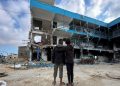
For the past 36 days, Israeli occupation has resumed what officials describe as an “aggressive war of extermination” in Gaza, marked by relentless air, artillery, and naval bombardments. Civilian areas, including shelters housing displaced persons, have been indiscriminately targeted, resulting in widespread casualties and destruction. According to the Gaza Ministry of Health, the death toll since the resumption of hostilities on March 18, 2025, has risen to 1,890, with another 4,950 people injured.
Since October 7, 2023, when the conflict escalated into full-scale military aggression, the cumulative death toll in Gaza stands at 51,266, with over 116,991 wounded—many suffering from life-threatening injuries. The ministry warns that the lack of medical supplies and functioning healthcare facilities is exacerbating the suffering of survivors.
Calls for Accountability and Action
Humanitarian organizations operating in the region have condemned Israeli crimes, accusing the government of violating international law by obstructing the delivery of life-saving aid. Under international humanitarian law, parties to a conflict must allow unimpeded access to humanitarian assistance for civilians in need. However, Israeli ongoing blockade has effectively cut off Gaza’s population of approximately 2.3 million people from critical resources.
“The world cannot stand idly by while an entire population is subjected to collective punishment,” said one senior aid worker, speaking anonymously due to safety concerns. “Every day without aid pushes more families closer to starvation and disease.”
UN officials have called for immediate action to reopen supply lines and ensure safe passage for humanitarian convoys. They have also urged the international community to hold accountable those responsible for perpetrating war crimes and human rights abuses.
Desperation Among Civilians
On the ground, desperation is mounting among Gaza’s residents. Families report eating only one meal a day—or sometimes none at all—as food shortages worsen. Hospitals are overwhelmed, relying on generators powered by scarce fuel reserves to keep essential services running. With winter approaching, there are fears that the lack of heating fuel and shelter will lead to further loss of life, particularly among children and the elderly.
“I haven’t seen my children eat properly in weeks,” said Fatima Abu Salem, a mother of four living in a makeshift displacement camp near Rafah. “We’re surviving on scraps, but how much longer can we endure this?”
A Call to Action
As the humanitarian crisis deepens, calls for global intervention grow louder. Activists, diplomats, and aid agencies are urging world leaders to pressure the Israeli occupation to lift its blockade and allow unfettered access for aid workers and supplies. Without urgent action, they warn, the consequences could be catastrophic—not just for Gaza, but for regional stability and the global commitment to upholding human rights.
“The international community must act now,” emphasized Laerke. “Failure to do so will result in unimaginable suffering and loss of life. This is not just a crisis; it is a moral test for humanity.”
For now, the people of Gaza remain trapped in a cycle of violence and deprivation, their pleas for help drowned out by the roar of bombs and the silence of complicit nations. As the days pass without relief, hope grows fainter—but not extinguished. For millions clinging to survival, every moment counts in the fight against despair.
Shortlink for this post: https://daysofpalestine.ps/?p=62289