DaysofPal – The coordinated travel of the third group of patients from Gaza through the Rafah border crossing was canceled by Israeli occupation authorities. This decision exacerbates the suffering of the sick and draws attention to the ongoing, severe movement restrictions.
The Palestinian Red Crescent Society confirmed that it was officially informed that Israel had cancelled the coordination for the evacuation of patients and wounded individuals through Rafah on Wednesday.
At dawn, forty Palestinians who had been waiting for a long time returned to Gaza. Their return followed significant obstacles imposed by Israeli forces at the crossing, including prolonged inspection and interrogation procedures and direct restrictions on movement. These measures caused further delays and added to the humanitarian hardship faced by returnees.
Rafah Crossing Operates Under Tight Limits
The Rafah crossing began operating on February 2 for the first time in nearly two years, under strict Israeli conditions. According to earlier understandings, 50 Palestinians were supposed to enter Gaza on the first day, while 50 patients were expected to leave for Egypt, each accompanied by escorts. In practice, the numbers were far lower: only 12 Palestinians entered Gaza, and just eight patients were allowed to depart.
Hamas described the treatment of Palestinians returning through Rafah as a “crime of abuse,” calling on mediators and guarantor states to intervene immediately to stop these practices. The movement said Israel continues to impose major restrictions on the entry of humanitarian aid, with no tangible improvement, despite the Gaza ceasefire agreement entering its second phase.
Hamas spokesperson Hazem Qassem warned that humanitarian conditions in Gaza are worsening, especially with the territory being affected by a new weather system.
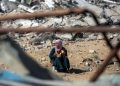
He pointed to the dire situation of displaced people living in tents that lack basic necessities. He added that the continued prevention of fuel and cooking gas entry, or allowing only extremely limited quantities, has intensified the humanitarian crisis.
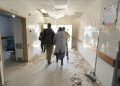
Medical Evacuations Blocked
The Palestinian Red Crescent Society reported that Israeli authorities refused on Tuesday to allow 29 patients and 50 companions to leave Gaza through Rafah. This came out of a total of 45 patients and 90 companions who had been scheduled to travel abroad to complete their treatment, despite prior notification from relevant bodies that travel arrangements had been approved.
Raed al-Nims, the society’s director of media, expressed hope that the number of patients permitted to undergo medical evacuation would increase. He noted that around 20,000 patients, according to Gaza’s Ministry of Health, cannot receive adequate treatment inside the Strip and urgently require care abroad. He stressed that the Red Crescent continues to coordinate with local authorities and international organizations to evacuate as many critically ill and injured patients as possible.
The World Health Organization has stated that more than 18,500 patients in Gaza require specialized medical care that is not available locally. Its Director-General, Tedros Adhanom Ghebreyesus, stressed the urgent need for rehabilitation and reconstruction in the territory to reduce forced dependence on medical evacuations, following more than two years of continuous Israeli attacks.
Antonio Guterres, the secretary-general of the United Nations, advocated for the widespread facilitation of humanitarian aid into Gaza, including via the Rafah crossing. Speaking during an annual session of the UN committee concerned with Palestinian rights, he said any sustainable solution for Gaza must align with international law and lead to unified, legitimate Palestinian governance that is internationally recognized.
Shortlink for this post: https://daysofpalestine.ps/?p=71931