Daysofpal – The International Press Institute (IPI), in partnership with International Media Support (IMS), has posthumously awarded Mariam Abu Dagga the 2025 World Press Freedom Hero award in recognition of her courageous and uncompromising work as a photojournalist in the Gaza Strip.
A Life at the Frontline of Conflict
Mariam Abu Dagga was a freelance photojournalist working for outlets including the Associated Press and Independent Arabia.
Her body of work captured some of the most harrowing scenes of civilian suffering in Gaza: severe malnutrition among children, the ravages of bombardment, and the collapse of basic services amid war.
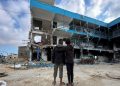
She was killed on 25 August 2025 in a “double-tap” strike on the Nasser Hospital in Khan Younis, southern Gaza, a tragic reminder of the dangers faced by journalists covering conflict zones.
IPI stated that by honoring Mariam’s work, the award both commemorates her bravery and renews the call for accountability for crimes against journalists.
“Mariam risked her own life, over and over again, to show international audiences the atrocities of conflict in Gaza,” IPI said.
The 2025 awards will be presented at a ceremony on 24 October 2025 at the University of Vienna during the IPI World Congress, marking the organization’s 75th anniversary.
Why Her Work Mattered
As one of the few female journalists working in southern Gaza during the war, she brought a critical perspective to the frontlines, particularly focused on civilians and children. Her images and reporting provided rare and vital documentation of life in Gaza under bombardment and siege, helping the wider world to see what was happening.
Her death underscores the vulnerability of journalists in war zones and raises urgent questions about their safety and the impunity of attacks against them.
Mariam Abu Dagga’s recognition as a World Press Freedom Hero is bittersweet: it celebrates her courage and dedication but also reminds us of the cost of bearing witness in conflict.
The award sends this message: press freedom is not a luxury; it is essential, especially in zones of war and humanitarian crisis.
Her work will continue to inspire journalists covering difficult and dangerous situations, and the awarding organizations hope it will also prompt stronger protections for media workers and more robust investigations into attacks on them.
Shortlink for this post: https://daysofpalestine.ps/?p=68755