DaysofPal- Days after Hamas and the Israeli occupation announced a ceasefire in Gaza, the flow of humanitarian aid into the devastated enclave remains severely limited, leaving thousands of children and other vulnerable patients struggling to survive.
As of Thursday, fewer than 300 trucks are entering Gaza each day, only half of what is required to meet basic humanitarian needs.
Al Jazeera has learned that many of these trucks carry commercial goods rather than medical or relief supplies, leaving hospitals and displaced families without the essentials they need.
Children across Gaza are facing desperate shortages as they don’t have clothes, shoes, hygiene kits, or medical supplies, whereas the trucks that do enter carry commercial products sold in the markets, but people can’t afford to buy them.
Moreover, Banks are still closed, and families have no money.
At the Patient’s Friends Benevolent Society (PFBS) Hospital in Gaza City, doctors describe the situation as dire.
Supplies of food, medicine, and fuel are nearly exhausted, and malnourished children are arriving in critical condition.
“We are still waiting for medical and humanitarian aid to reach our hospital,” said Dr. Musab Farwana, a pediatrician.
“Once it arrives, conditions will certainly improve, especially for children, who have suffered the most from malnutrition during the two years of war.” He added.
Among those waiting anxiously is Randa Aldhadar, the mother of baby Ruqayya. She told Al Jazeera that her daughter is “on the brink of death” from hunger.
“I can’t produce milk anymore,” Randa said, adding, “The hospital doesn’t have what she needs: milk, biscuits, or nutritional supplements to help her recover.”
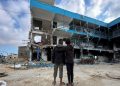
Two years of Israeli bombardment have decimated Gaza’s medical infrastructure, destroying hospitals, killing medical staff, and leaving the territory under a complete humanitarian blockade since April.
Although the recent ceasefire deal includes an agreement to release captives on both sides and to ease restrictions on humanitarian aid, the Israeli occupation continues to limit the number of trucks entering Gaza, blocking most relief deliveries to hospitals.
At PFBS Hospital, Tahani Hassouna is caring for her baby, Alma, who suffers from a serious heart condition.
“Because of the lack of equipment, she’s not getting the care she needs,” she said.
“She can’t gain weight and has to rely completely on oxygen to breathe. Every day I wait for the border to open so I can take her for surgery abroad.” She added.
The Israeli occupation has not yet reopened the Rafah crossing, the main gateway for aid and patient evacuations.
The Israeli military body overseeing Gaza affairs, COGAT, announced Thursday that no humanitarian aid will pass through Rafah, saying such access “was never agreed upon.”
Instead, it insists that limited aid will continue to enter through Kerem Shalom and other crossings.
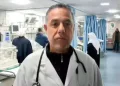
At al-Shifa Hospital, medical director Dr. Mohammed Abu Salmiya said that despite the ceasefire, there has been “no noticeable improvement” in the availability of medicines or health services.
“Nothing has changed for Gaza’s hospitals,” he said, adding that “The patients are still waiting, and so are we.”
Shortlink for this post: https://daysofpalestine.ps/?p=68474