DaysofPal- The ongoing closure of Gaza’s crossings by the Israeli occupation is exacerbating an already dire health crisis, with thousands of patients facing life-threatening conditions due to a severe shortage of medical supplies and equipment.
Marwan Al-Hams, Director of Field Hospitals at the Palestinian Ministry of Health, has issued a stark warning about the catastrophic consequences of the Israeli blockade on the Strip’s healthcare system.
A Strained Healthcare System
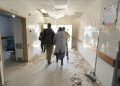
In a statement to Sanad News Agency, Al-Hams highlighted the critical state of Gaza’s health infrastructure, which is grappling with a chronic lack of essential medicines, medical supplies, and advanced diagnostic equipment. The prevention of fuel deliveries has further crippled the system, disrupting vital services and endangering the lives of hundreds of patients, particularly those suffering from chronic illnesses or requiring urgent care.
“The failure to secure fuel for hospitals is having a devastating impact,” Al-Hams emphasized. “Patients with serious injuries and chronic diseases are being left without the necessary treatment, putting their lives at immediate risk.”
Unmet Ceasefire Agreements
Al-Hams accused the Israeli occupation of failing to honor the provisions of the ceasefire agreement regarding the travel of wounded and sick patients for treatment abroad. According to the protocol, 150 patients were supposed to be allowed to leave daily for medical care outside Gaza. However, the actual number permitted has been drastically lower, ranging between 32 and 50 patients per day.
Additionally, the crossings have been completely closed to travelers for two consecutive days, further delaying critical medical evacuations.
“This delay has already resulted in the deaths of some patients who were waiting on travel lists,” Al-Hams said. “They could not receive adequate treatment within Gaza’s hospitals, which were systematically targeted during the war.”
Urgent Need for Field Hospitals and Equipment
The prolonged conflict, now entering its second year, has intensified the demand for field hospitals and advanced medical devices such as magnetic resonance imaging (MRI) machines. Many hospitals in Gaza currently lack these crucial tools, severely limiting their ability to provide comprehensive care. Al-Hams stressed that bringing in field hospitals and modern diagnostic equipment is essential to address the growing needs of the population.
Humanitarian Crisis Worsens During Ramadan
As the month of Ramadan approaches, the humanitarian situation in Gaza continues to deteriorate. For nine consecutive days, Israel has blocked the entry of humanitarian aid, food, and fuel into the Strip, tightening the siege even after the conclusion of the first phase of the ceasefire agreement. Residents are enduring catastrophic shortages of necessities, including food and medicine, amid rising temperatures and increasing health risks.
Call for International Intervention
Al-Hams appealed to the international community to urgently intervene and pressure Israel to lift the blockade, allow the entry of medical supplies, and reopen the crossings to save countless lives. “If the siege persists, we will witness the preventable deaths of many patients suffering from chronic diseases and serious injuries,” he warned.
Shortlink for this post: https://daysofpalestine.ps/?p=61248