DaysofPal- The director of the Arab Baptist Hospital in Gaza, Dr. Nasr Al-Tatar, has warned that the hospital is shouldering an overwhelming medical burden amid severe shortages of equipment, medicines, and essential supplies.
Speaking to Palestine Online on Sunday, Al-Tatar highlighted that the Baptist Hospital remains one of the few operational medical facilities in Gaza City, specializing in internal medicine and intensive care. With the ongoing destruction of Gaza’s healthcare infrastructure, including the Al-Shifa Medical Complex—once the largest hospital in the city—the strain on Baptist Hospital has reached critical levels.
A Health System on the Brink
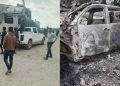
Al-Tatar noted that Al-Ma’amoud Hospital was also targeted in airstrikes, exacerbating the crisis. He commended the Ministry of Health’s efforts in partially reviving Al-Shifa Hospital, acknowledging its growing patient intake. However, he emphasized that Baptist Hospital continues to bear the heaviest load.
“There is no internal medicine department in Gaza City apart from the one in our hospital,” he said. “This means that all stroke victims, heart attack patients, and those suffering from internal diseases have no alternative but to seek treatment here.”
While the number of surgical cases has slightly declined, Al-Tatar reported a significant increase in patients requiring specialized care for internal conditions. The hospital is in urgent need of surgical tools, medical devices, essential medications, and disposable medical supplies to maintain operations and provide lifesaving care.
Severe Equipment Shortages
The hospital also faces a critical shortage of medical equipment. Al-Tatar warned that its CT scan machine, the only one in Gaza City, is under immense pressure. “If it breaks down, it will be a serious disaster,” he said.
The intensive care unit (ICU) is another major concern. With just three available beds, many critically ill patients are at risk due to the hospital’s limited capacity. Additional equipment—including ultrasound machines, ventilators, and oxygen supply systems—is urgently needed to meet growing demands.
Overwhelming Patient Load
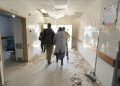
One of the most pressing challenges, Al-Tatar revealed, is the hospital’s bed capacity. “During the war, our occupancy rate reached 200%,” he said. “Patients filled every available space, including newly constructed medical tents and even hospital corridors.”
The situation is becoming more dire as hundreds of thousands of displaced residents return to Gaza City, many in urgent need of medical care. While the recent ceasefire has slightly reduced the influx of patients from northern Gaza, Baptist Hospital continues to receive injured returnees.
“The services we provide exceed the capacity of any medical facility under normal circumstances,” Al-Tatar stated. “No one could have imagined the scale of the crisis we are facing.”
Medical Staff Shortages and War’s Toll
Al-Tatar also highlighted the critical shortage of medical personnel, a problem worsened by the war. Many staff members have been killed, arrested, or injured. To cope with the crisis, the hospital has turned to medical students and trainees to assist in patient care.
“The dedication and sacrifice of our healthcare workers in Gaza City deserve the highest respect,” he said. “Only God can truly reward them for their efforts.”
He hoped displaced medical professionals would return to bolster the workforce, given the high demand for surgeries and emergency care.
A Lifeline in Wartime
Despite its small size, Baptist Hospital has played a pivotal role in providing medical services to thousands of war victims. Al-Tatar praised the tireless efforts of hospital staff, who have worked around the clock to treat the wounded.
“Our hospital may be small, but its contributions are immense,” he said. “We have set up tents to accommodate patients, converted parts of the church into an internal medicine ward, and established a new emergency department, equipping it as best as possible.”
Describing the hospital’s operations as relentless, Al-Tatar likened its work to that of a beehive—driven by dedication, patriotism, and an unwavering commitment to saving lives. “What we are doing here is unique on a global scale,” he said.
As Gaza’s healthcare system teeters on the edge of collapse, Baptist Hospital remains a vital lifeline for thousands in desperate need of medical care. However, without immediate international support, its ability to function will continue to be severely threatened.
Shortlink for this post: https://daysofpalestine.ps/?p=60358