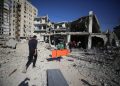
The Municipality of Gaza announced on Monday that 70% of the city’s water supply has been completely disrupted. Local authorities attributed the collapse to systematic destruction of infrastructure networks and ongoing restrictions preventing the entry of fuel and technical equipment required to operate pumping wells.
Official spokespersons warned that the city is currently experiencing its “worst water crisis in history.” They raised alarms over an imminent shutdown of the remaining operational water facilities, which are on the verge of going completely out of service due to a critical depletion of spare parts, motor oils, and fuel.
The municipality issued an urgent warning regarding the catastrophic humanitarian and health repercussions, particularly as summer temperatures peak and population density intensifies within overcrowded displacement centers. Local officials called on international organizations to provide immediate financial and technical support to avert a total collapse of the water system.
Severe Water Insecurity
International humanitarian assessments indicate that over 75% of the population is currently facing acute water insecurity. Aid organizations have highlighted that the lack of clean water has become a critical threat to human survival, exacerbated by intense summer heat and ongoing conflict.
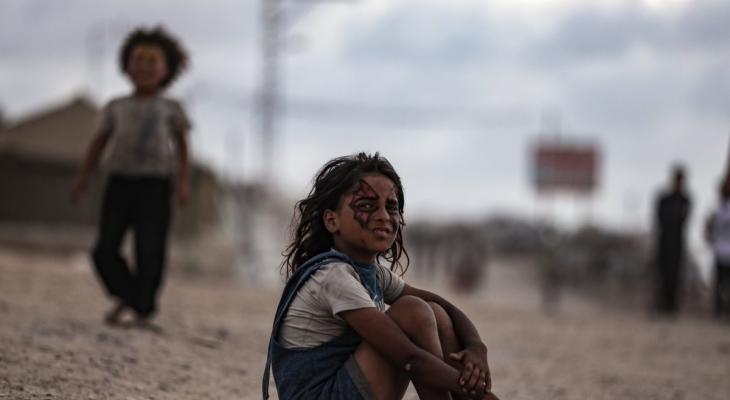
Current data shows that the vast majority of families are now surviving on less than 6 liters of water per person per day. This is less than half of the standard emergency minimum required for survival (15 liters), and a fraction of the pre-conflict average, which stood at approximately 85 liters per person per day.
Extreme Displacement
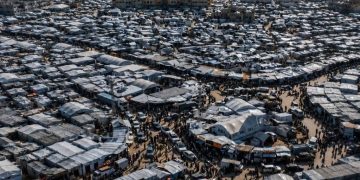
The water crisis coincides with increasingly grim conditions for displaced populations. More than one million people are currently living in worn-out tents that offer no protection from the summer heat, while an estimated 5,000 families are sleeping in the open with no shelter at all.
Furthermore, over 52,000 individuals are crammed into severely overcrowded shelters. The combination of extreme heat, lack of sanitation, and the near-total absence of potable water is rapidly accelerating the spread of diseases and epidemics, pushing the humanitarian and healthcare framework to the brink of collapse
Shortlink for this post: https://daysofpalestine.ps/?p=76011