DaysofPal- The World Health Organization (WHO) has reported more than 17,000 cases of illness among displaced Palestinians in the Gaza Strip linked to rodents and external parasites since the beginning of the year, highlighting the worsening health and humanitarian conditions in the territory.
In a statement, the organization said that “desperate and dangerous conditions” in Gaza continue to obstruct recovery efforts, pointing to rising infection rates among families while the healthcare system faces severe shortages of supplies and equipment needed to respond.
A Growing Health Epidemic
WHO estimated the damage to the health sector alone at approximately $1.4 billion, noting that more than 1,800 health facilities have been partially or completely destroyed. These include major hospitals such as Al-Shifa Hospital in Gaza City, as well as smaller primary healthcare centers, clinics, pharmacies, and laboratories.
Despite a ceasefire that took effect on October 10, 2025, following two years of an Israeli genocidal campaign, living and health conditions remain dire for Gaza’s 2.4 million residents, including around 1.4 million displaced people. The organization pointed to ongoing restrictions that have limited the entry of agreed quantities of food, medical supplies, relief aid, and shelter materials.
Since the start of the genocide in October 2023, more than 72,000 Palestinians have been killed and over 172,000 injured, most of them women and children, according to local authorities. Around 90 percent of Gaza’s civilian infrastructure has been damaged or destroyed.
Reinheld van de Weerdt, the WHO’s newly appointed representative in the occupied Palestinian territory, described the scale of devastation following her first visit to Gaza, saying that “nothing can prepare you for the extent of the destruction.” She noted that seeing entire streets buried under meters-high rubble offers a far more striking picture than reports and figures alone.
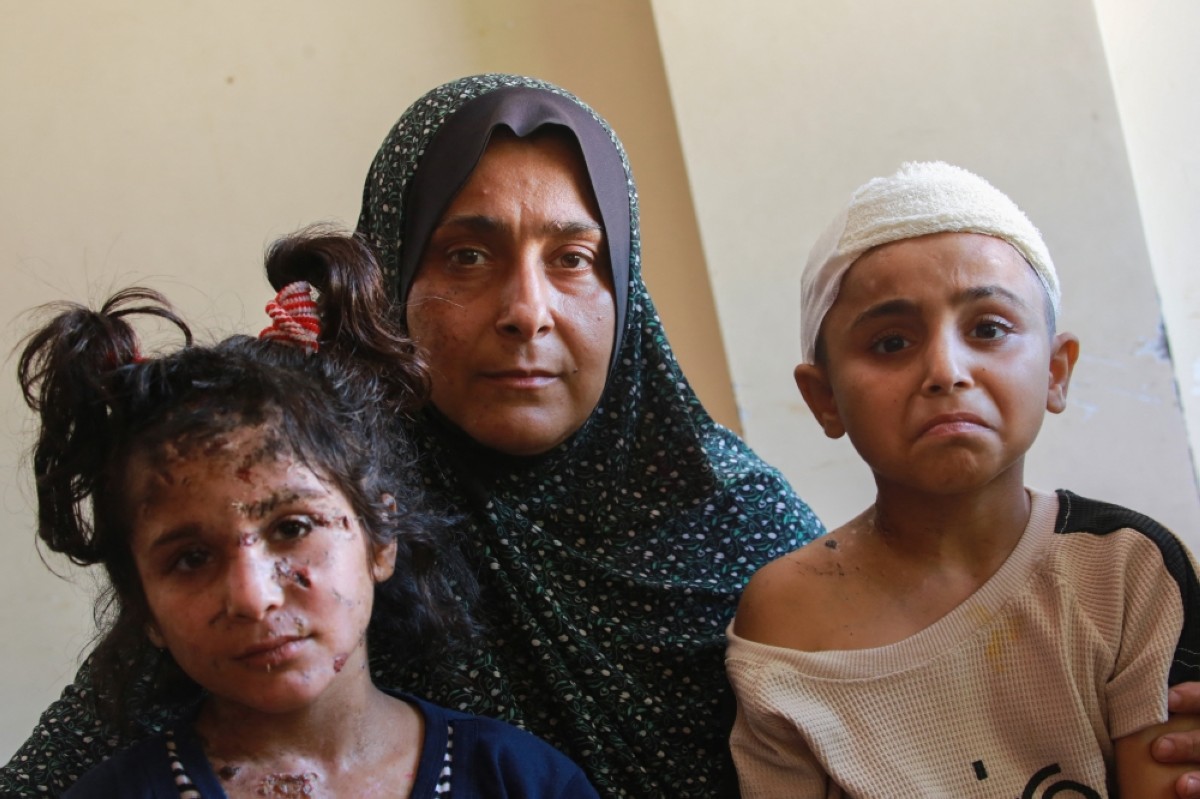
Van de Weerdt said over 17,000 cases related to rodents and parasites have been recorded among displaced people since the start of the year. More than 80 percent of displacement sites have reported skin conditions such as scabies, lice, and bedbugs due to deteriorating living conditions.
She stressed that WHO and its partners urgently need to bring in laboratory equipment and medical supplies to better understand and contain the spread of disease but said such items have not been allowed into Gaza due to ongoing restrictions.
The official called for immediate changes, including protecting healthcare workers, allowing the entry of essential medicines and supplies, and lifting restrictions that hinder humanitarian response.
During the war, the health sector has sustained extensive damage, with hospitals, medical facilities, and staff repeatedly impacted, contributing to the collapse of healthcare services.
In a related development, Julius Dirk van der Walt, head of the United Nations Mine Action Service in the occupied Palestinian territory, warned of the ongoing danger posed by unexploded ordnance embedded within the rubble. He said the scale of contamination remains largely unknown and continues to prevent displaced Palestinians from returning to their homes while obstructing recovery efforts.
Speaking in Geneva, he noted that Gaza’s high population density presents a major challenge for demining operations. Before the genocide, the territory had around 6,000 people per square kilometer, far higher than in countries such as Syria, and the figure has since increased in confined living areas.
Van der Walt described dealing with unexploded ordnance as a “daily emergency,” requiring an estimated $541 million in funding, contingent on access and necessary permits.
Since the start of the Israeli genocide, more than 200,000 tons of explosives have been dropped on Gaza, including weapons considered internationally prohibited, according to figures from Gaza’s Government Media Office.
Shortlink for this post: https://daysofpalestine.ps/?p=74157